Odd Job With a Goose

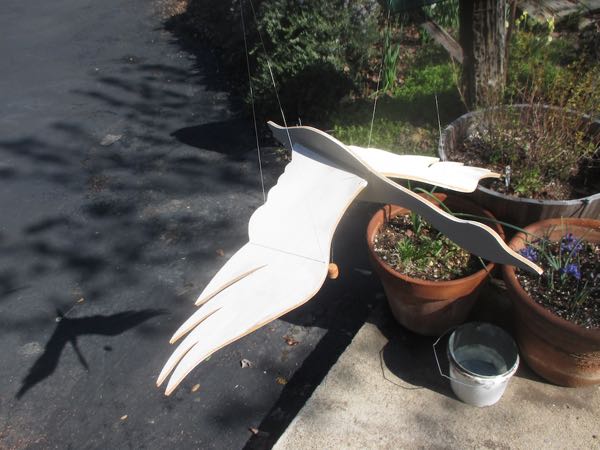
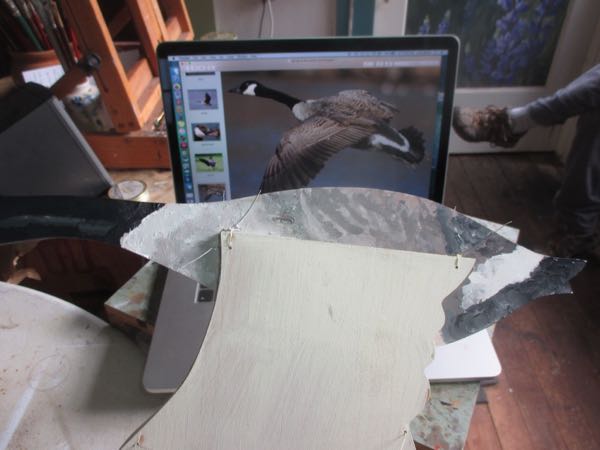
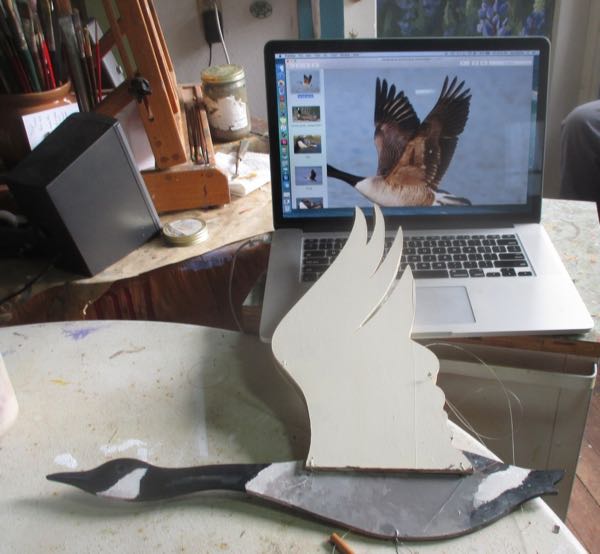
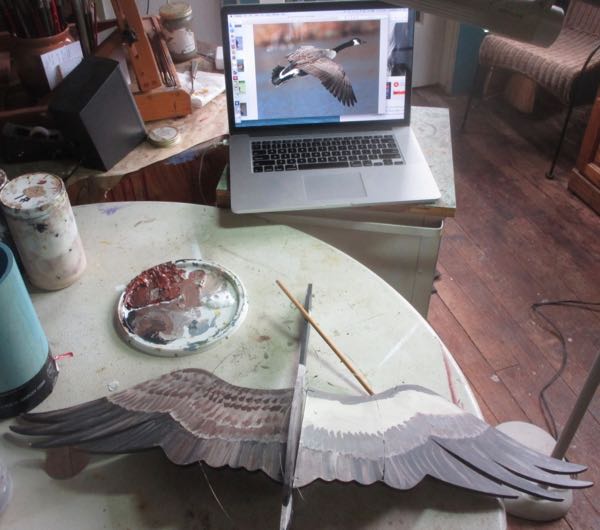
This is Tony’s wooden goose with a coat of primer on it.

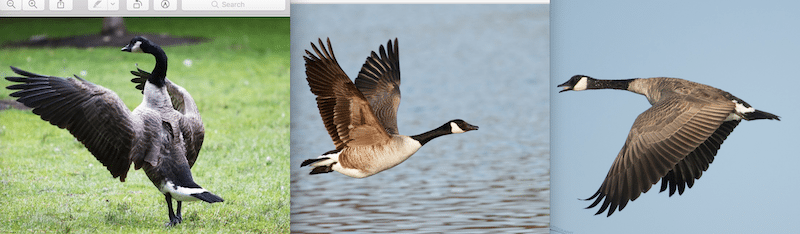
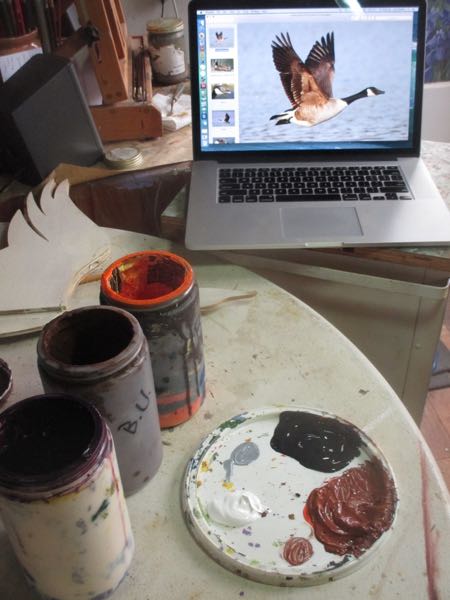
He didn’t give me any instructions other than to paint the goose. I found several helpful photos of Canada geese to work from, with visible head, neck, wing tops, wing bottoms, tail and the back.(What did people do before The Google came along to answer all our questions? They didn’t say yes to as many odd jobs.)

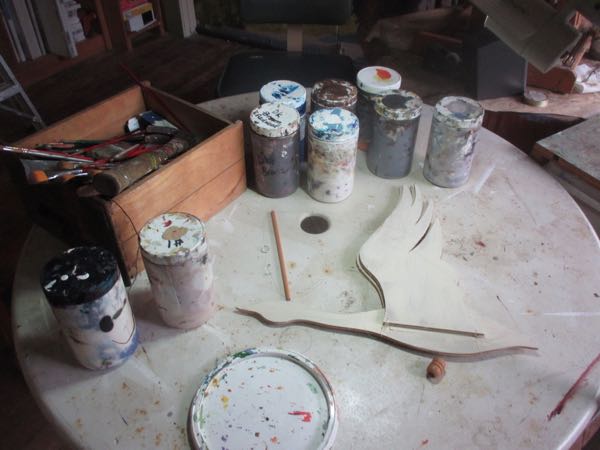
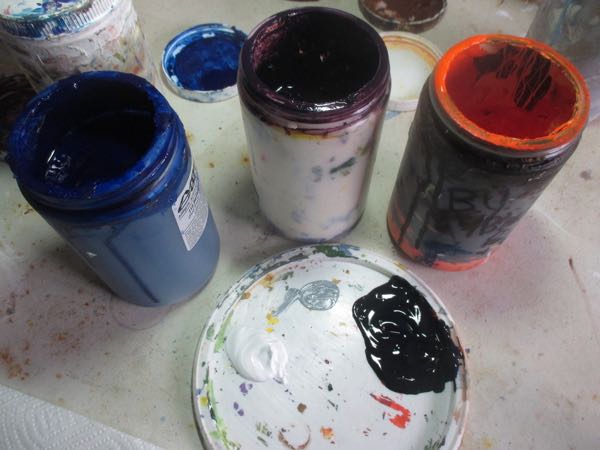
First step: mixing paint. I used my mural paints because this will be outside and because it needed to dry quickly.

White, burnt umber and phthalo blue, along with some grays, browns, a purple and an orange.
The first color, black, was achieved with the purple (alizarin crimson and ultramarine blue), phthalo and orange (cadmium yellow and cadmium red). I made a small dot of the color with white and it made a pure gray, so I knew it was black and not purple or brown or green.
Here is a brown that will work. It is an old mixture that I called “dark redwood”, but altered a bit here with orange and some of the black.
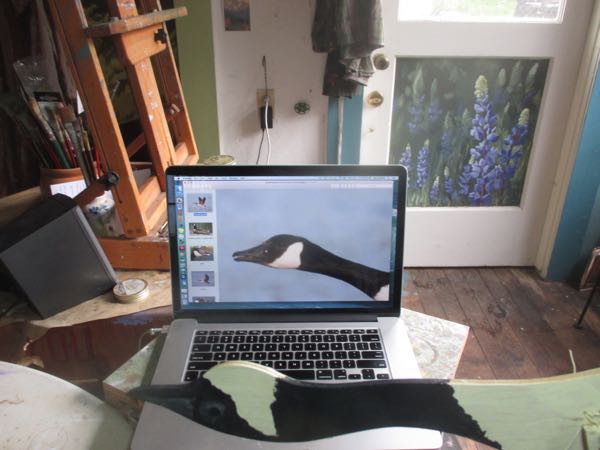
Ahem. I seemed to have painted this guy’s head upside down.
Better!
Found another photo of a goose’s back.
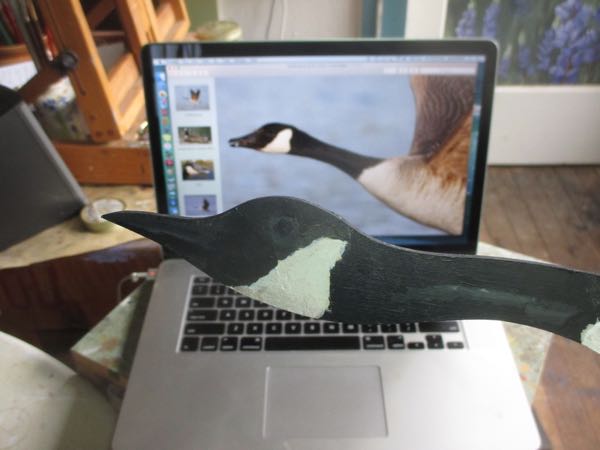
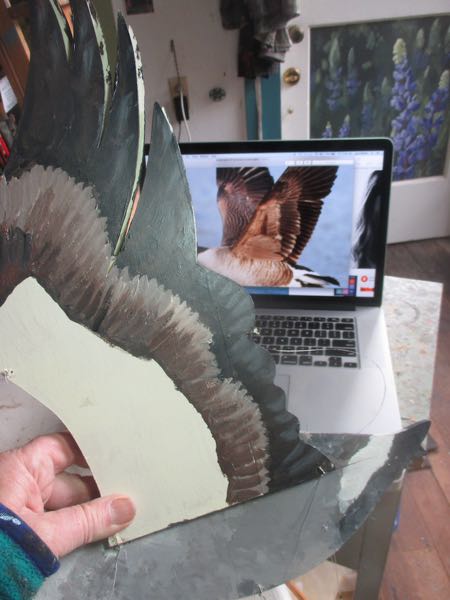
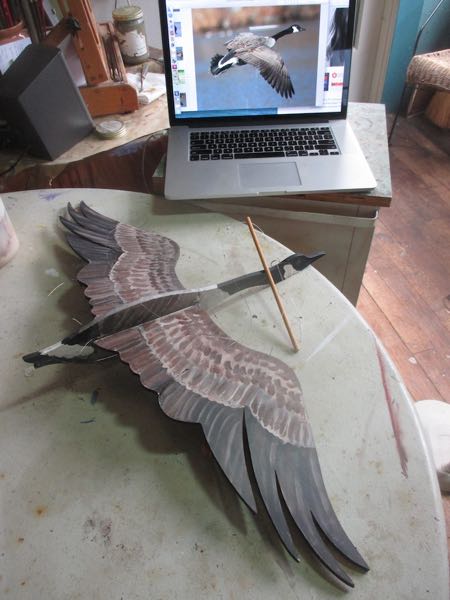
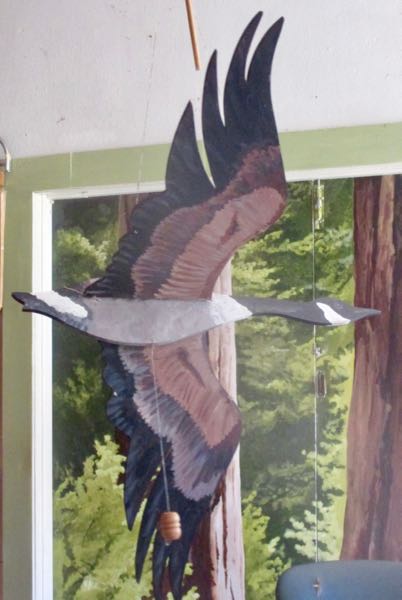
The underside of the wings are important, because this is a flapping goose that will be seen from all angles. I was able to flip the photos horizontally in order to see the goose both directions.
Will this work? Do I need more detail? The color is grayer on my goose than on The Google’s goose. Can I trust the photo? Will Tony be disappointed?
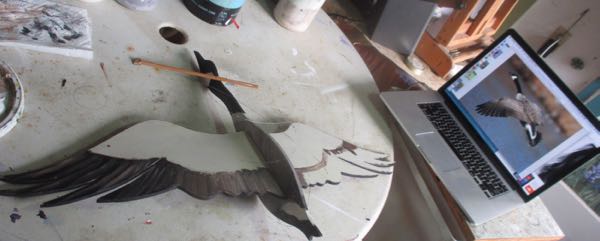
It was easiest to paint when it was lying flat and I could see each side at the same time.

Am I finished? I’ll email this photo to Tony and see what he says.

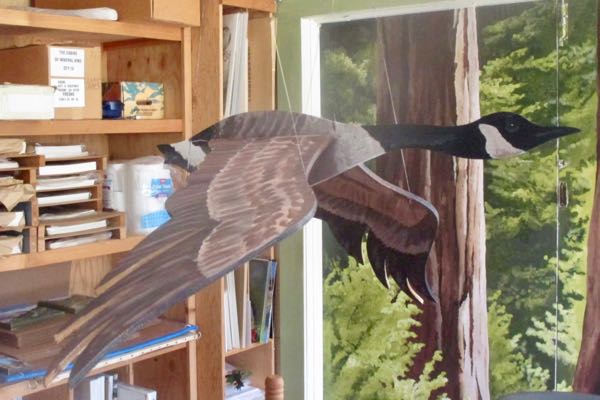
Whoa, Tony, you’d better come get this goose because he is trying to fly outta here!

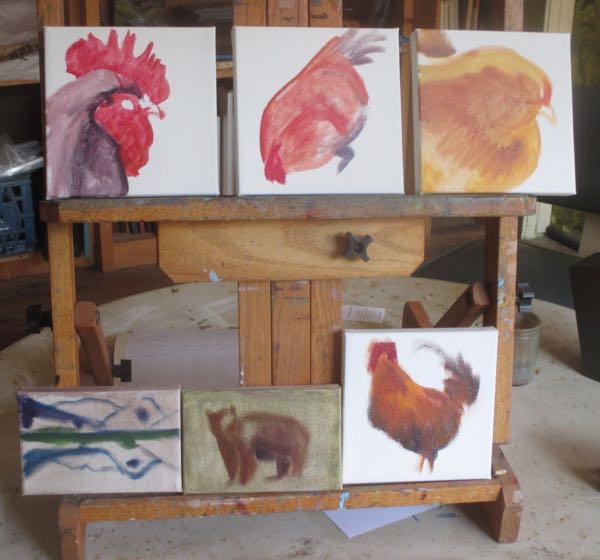
Birdland, Third Day

Who knew that birds would show up in such numbers in my art business??

My friend’s husband, Tony, asked if I could paint a wooden goose for him. A what, Tony? A goose! He didn’t specify type, so I had to consult The Google for ideas. I told him it will be a Canada Goose (yes, it is Canada Goose, not “Canadian Goose”) and that I hope it will look so realistic that someone might try to shoot it. This could fall into the category of Odd Jobs, and when I show you how it is coming along, that’s how I’ll classify it.

Meanwhile, the birds go on. . .

4 new chickens, a bear and a reflection scene
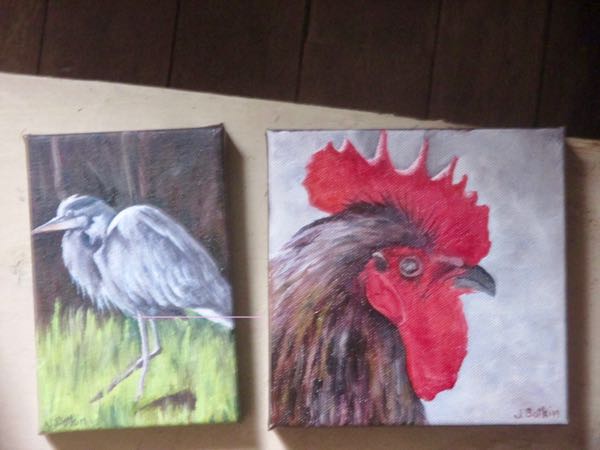
The great blue heron and the rooster are drying together in peace, no one flapping or crowing.
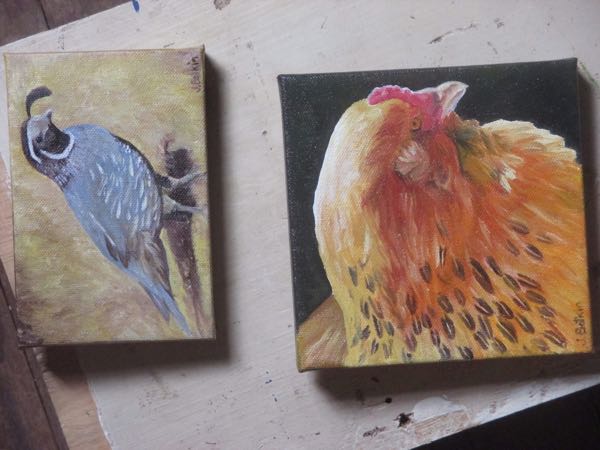
The quail and hen are drying together too, but they are all crooked so you’ll have to wait until they are dry enough to be scanned in order to have a proper view and full appreciation of their beauty.
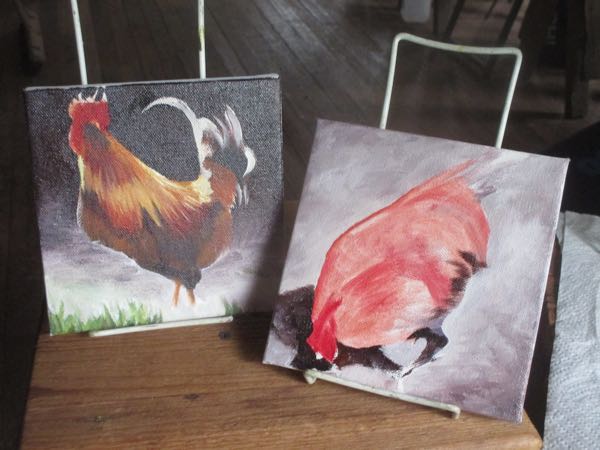
This rooster and another hen as they appeared after layer #2.

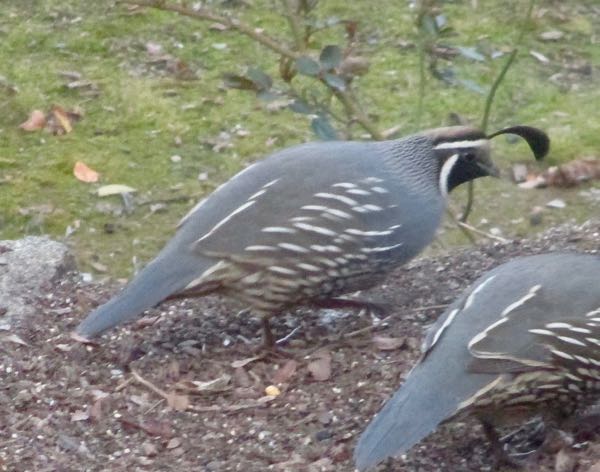
Meanwhile, I am sorely lacking in quail photos. Those little guys are shy and busy. They show up outside the windows when the light is low, so it takes about a dozen photos to find one that might be paintable.

Barn Raising

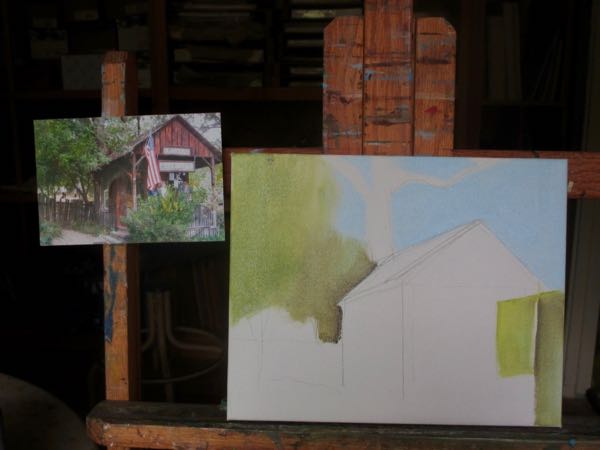
Just kidding. I’m not raising a barn, just drawing it. Well, maybe I am raising it out of the vast whiteness of the paper.

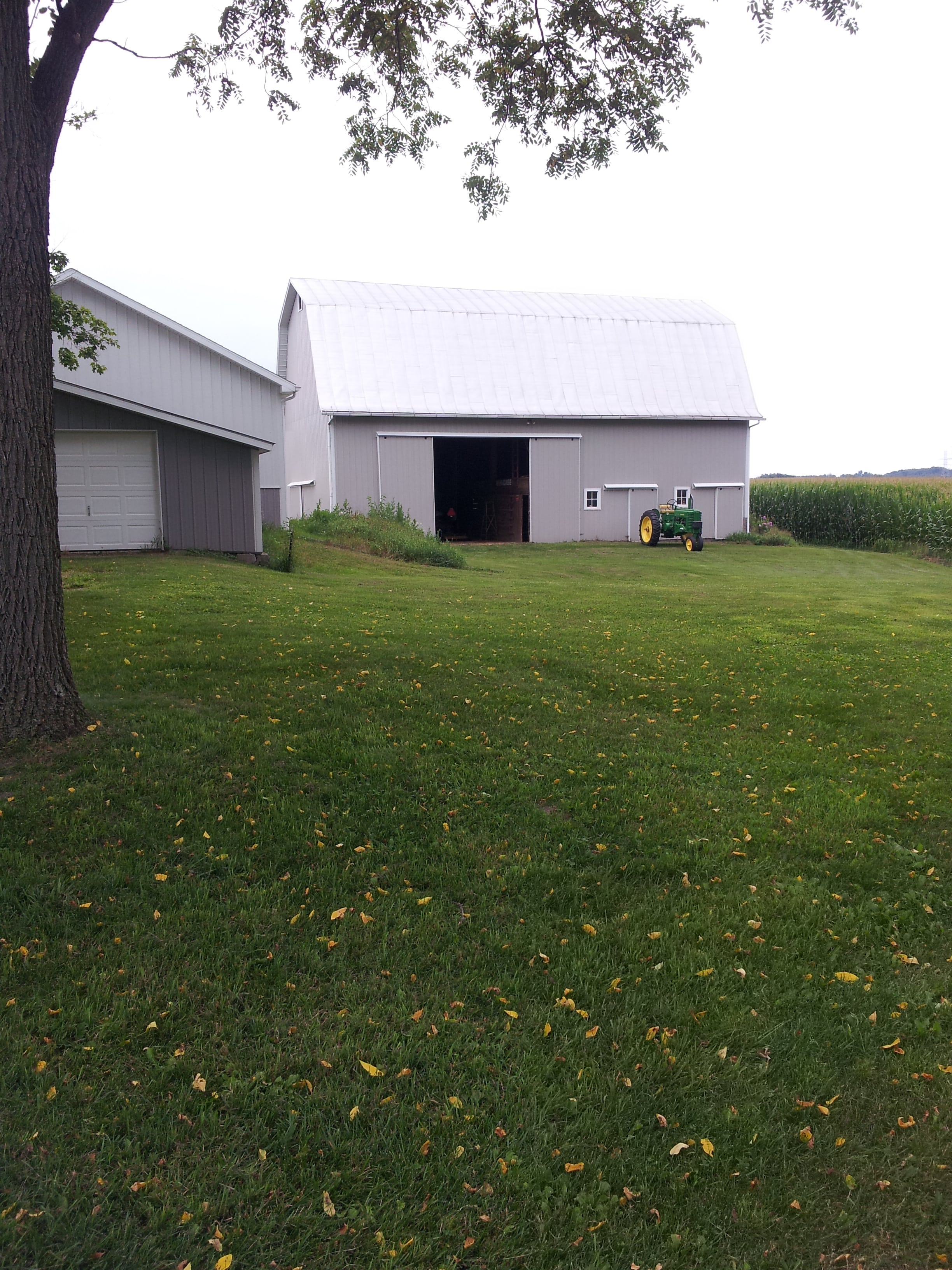
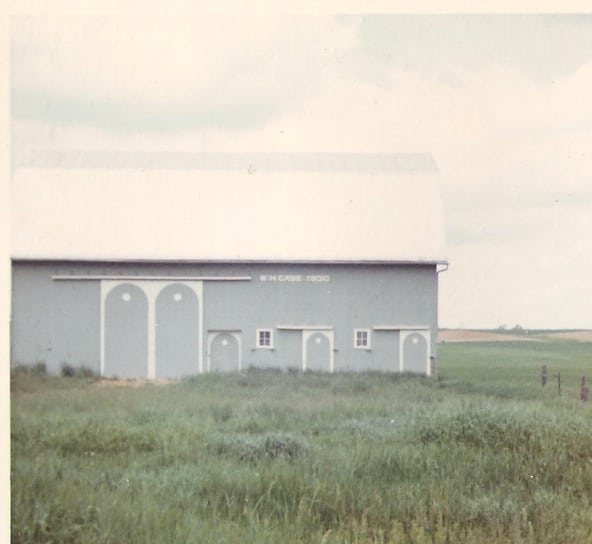
I received these 2 photos along with many instructions. The top photo is how the barn looks now; the lower one is how it looked when the customer was a child and what he is wanting me to draw.
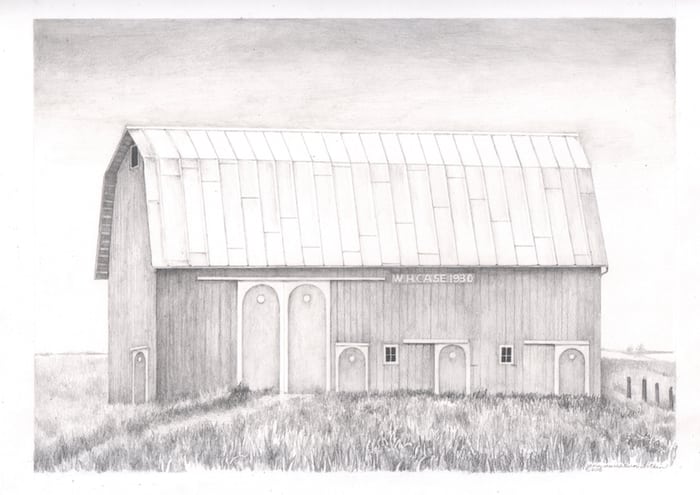
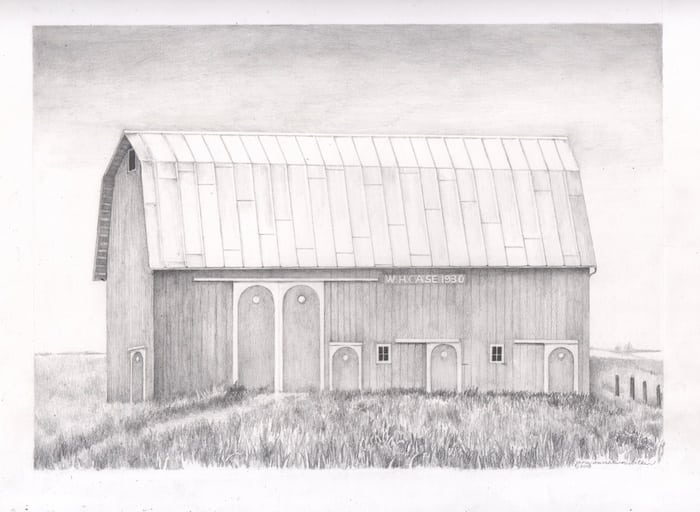
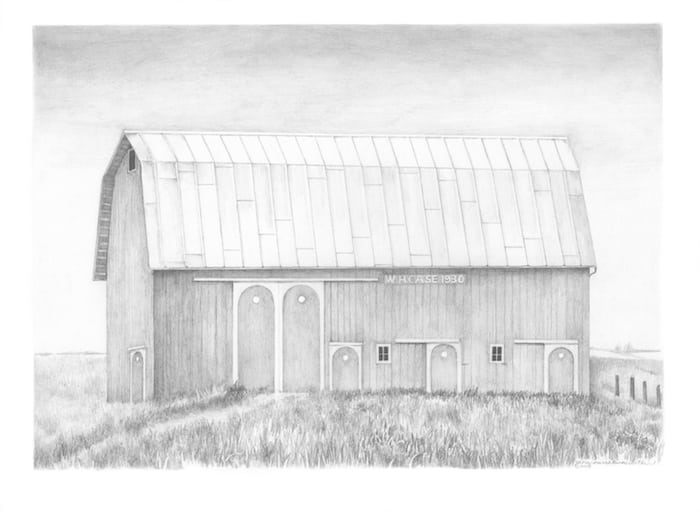
He also wanted me to match the size of the barn in this print, drawn (or is that ink with a watercolor wash or something else I don’t recognize?) by one of my art heroes.
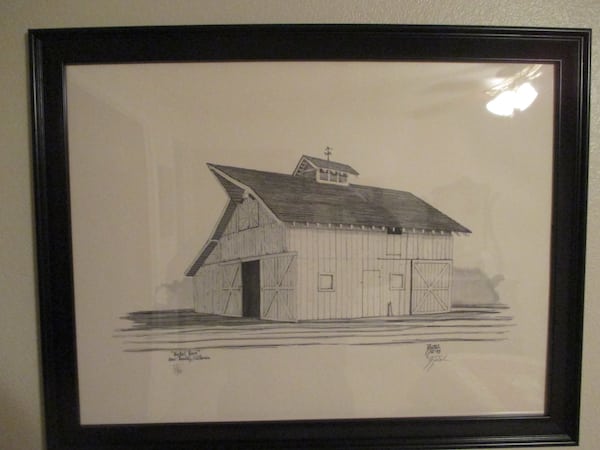
Part of the business of art is communicating thoroughly and clearly with customers and potential customers. I realized that this job would require a sketch and approval of the sketch before I began, because there were lots of places for misunderstanding. I sketched it roughly 2″ x 3″, to match the proportions of the size the customer requested (measured in picas, so just trust me that it is proportionally correct). 
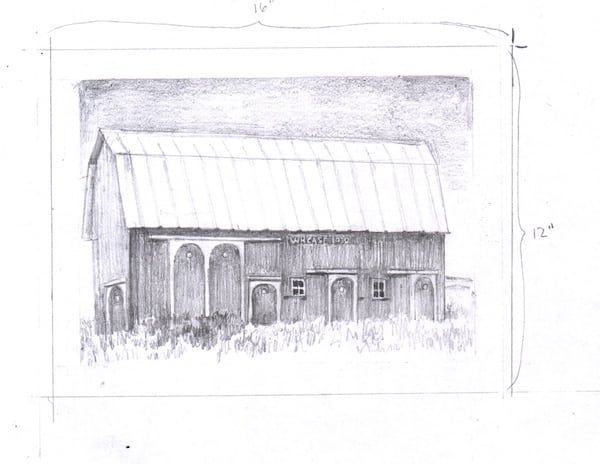
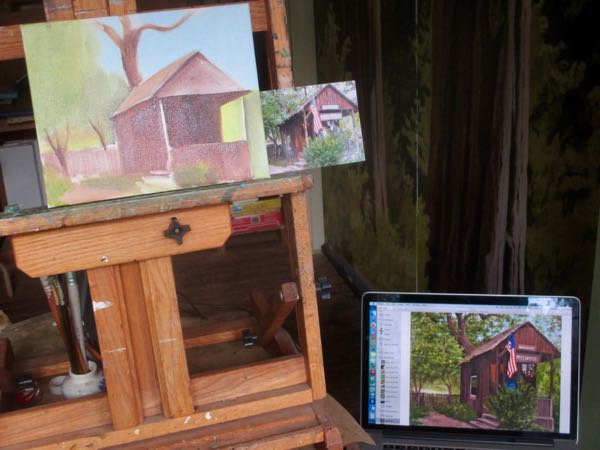
Got it in one attempt! Sketch approved, drawing begun. The photo isn’t great, nor is the printer. I am working primarily from the sketch and the notes.
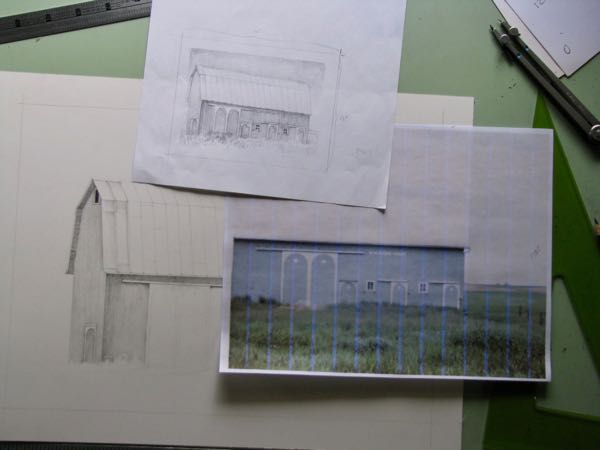
A few hours later, this is where I was:
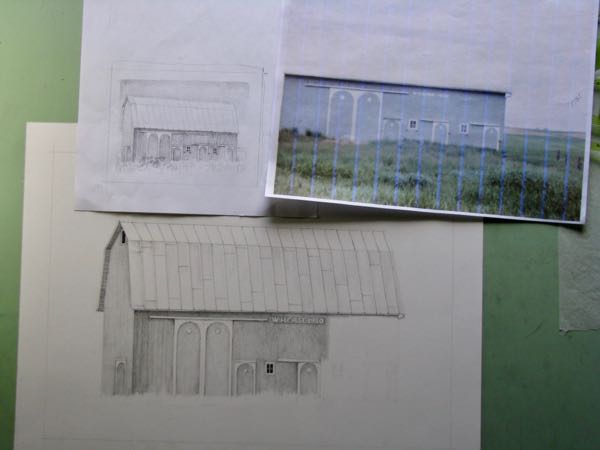
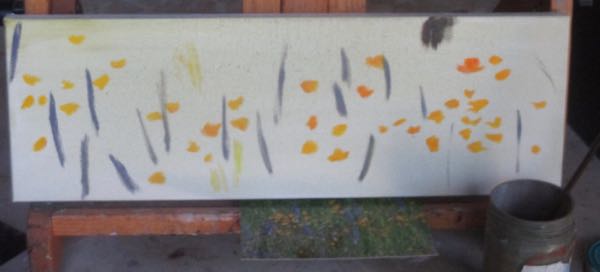
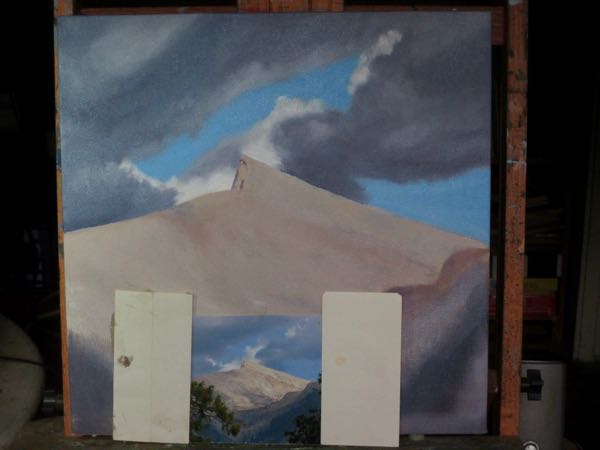
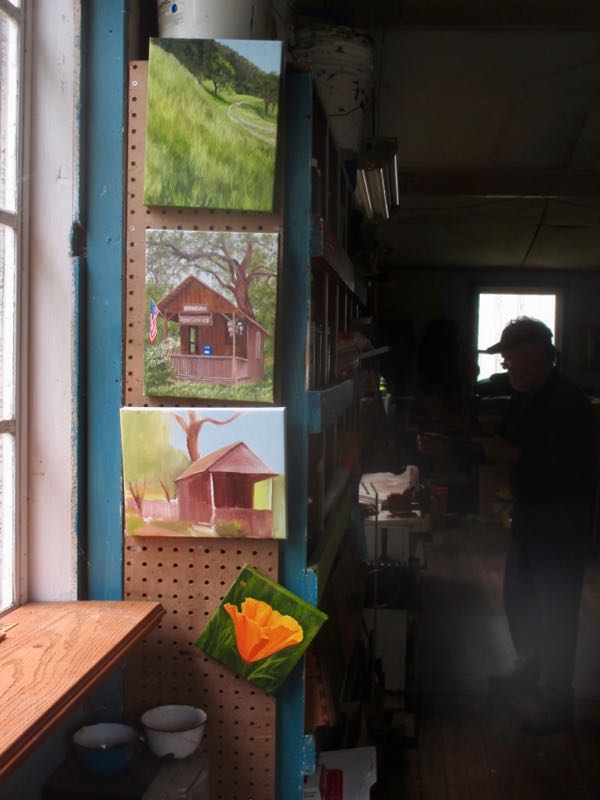
I told the customer it would be 2-3 weeks, but commissions always jump to the front of the queue. (2 poppy paintings need a final layer, there are 4 paintings in Birdland, and I still need a few more paintings of the most popular Mineral King scene because 3 more sold last week. Not complaining, just explaining.)
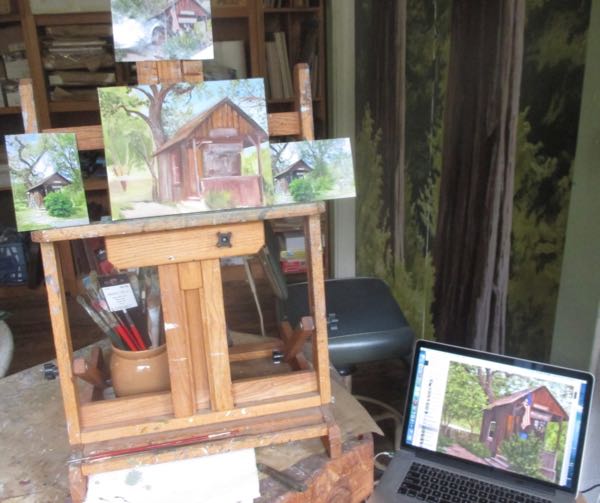
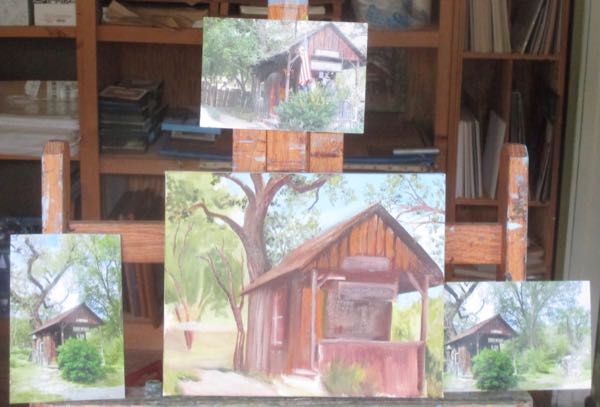
Squeezing in Citrus

Do you like the title? I feel quite pleased with it.

Last month this painting sold:

Oranges #135, oil on wrapped canvas, 8×8″

The happy customer asked if I had a matching lemon painting, to which I replied, “No, but I can paint one for you”. Then I couldn’t find the photos, so I went to the 26,000 photos on my computer and found just what I needed.

I wasn’t focused on tight detail that day, because I was doing big picture thinking about large quantities of small Mineral King paintings. But, the citrus needs to be squeezed in. Squoze in. Something.

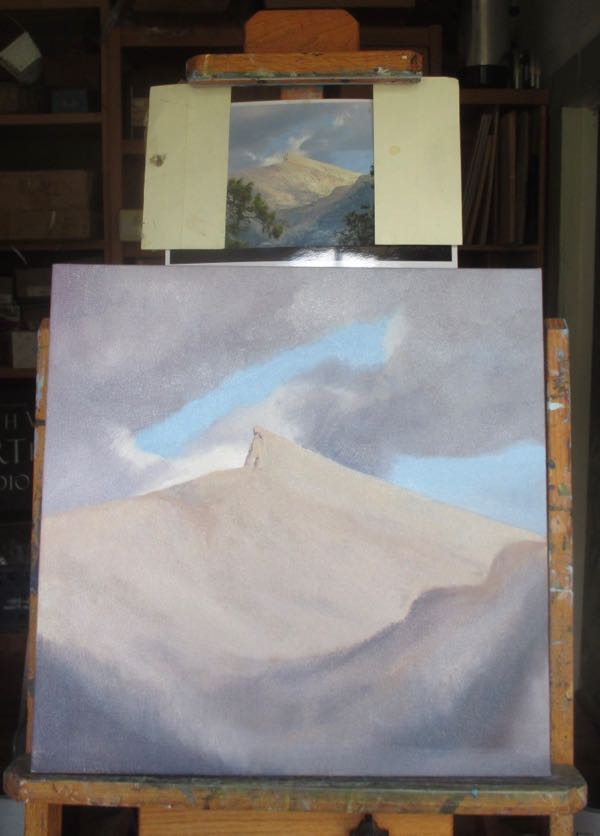
And since I am working on citrus and have run out of orange paintings, it was a good time to begin two more orange oil paintings.

There you have it. Three new citrus oil paintings, squoze right in among all the Mineral King oil paintings. I kept them on another wall for drying. Didn’t want any orange juice to drip on Mineral King.

P.S. Two days later, they were all finished and drying.

Do Over

A customer brought me a pencil drawing from 1995 with the request that I turn it into notecards. 

In order to turn an original drawing into a printed piece, there are some tasks to be done on a computer. First, I scan it, then open it in Photoshop, convert it to grayscale, erase anything that is supposed to simply be paper color, resize it to 600 dpi and whatever size in inches it will be printed, then convert it to a PDF and send it to the printshop, where she becomes their direct customer.

When I saw it, I thought it was a reproduction print, not the original. WHY did I draw an original on such flimsy and textured paper?? And why are all the trees on the distant hills the same size, evenly spaced and looking so distinct? Why is there no pencil on those hills? Why does no grass show between the slats of the fence? Why does that main tree look manicured?

Before I did any of those computer tasks, there was some serious pencil work to be accomplished.

Before:

After:

Ready to print: 

The changes are subtle, but important. My drawing students and I will see the difference, and I don’t feel embarrassed to have my name on the drawing any more.

Growing a Poinsettia

Someone bought some cards of a poinsettia painting that I did about 8 or 9 years ago. (It looked fine as a 4×6″ image, back when I was first learning to paint. Be polite, okay?)

She liked it so much that she asked me to paint the same picture for her as an 8×10″ oil painting. 

Oh boy, another do-over!! This time I get to do a better job because I paint better and because the canvas is larger to accommodate more detail.

There wasn’t one photo that was my guide when I first painted this. I used several, simplifying the image as much as possible. This time I am using several photos again, but not simplifying the flower so much. This looks a little bit weak in color because the paint is wet and shiny. This is at the end of day #1.

In the next painting session it looks almost finished, but there is more layering, the center detail, edges, and finally. signing. (Then drying, scanning, varnishing, drying yet again). This was painting day #2.

You can see in the next photo that most of the painting looks weird and reflective, because it is wet and shiny. There are 4 petals that haven’t been re-layered. This was painting day #3.

At the end of the painting session, I hung it out in the workshop to begin drying. This one wasn’t in a huge rush to be delivered, so I didn’t want its messy wet self in the house.

Funny how it doesn’t look reflective here. That is because it has indirect light from the window rather than a lamp shining on it. That lamp helps me mix the colors right, but makes for poor photography.

And finally, this is the finished and scanned commissioned oil painting of a poinsettia. Color looks duller than in real life. I hate that. But, the real one is brilliant. Guess you’ll have to take my word for it.

December Oranges

Did you know that navel oranges are harvested in December? If you are from Tulare County where the world’s best (and most) navel oranges are grown, you probably knew that.

My grandfather and dad were both orange growers. I am an orange painter.

A friend/neighbor called to say that her sister-in-law wanted an oil painting of oranges just like the one in her dad’s house. I asked for a photo of the painting so I would know how to make another one.  Obviously, these people have impeccable taste in artwork. After receiving this photo, I looked through my 963 photos of oil paintings, arranged by subject, and although I recently finished Orange #134, this old painting didn’t show up in my inventory. 

That’s okay. I have plenty of photos to work from. And if I am going to paint an 8×10 oil of oranges, I might as well do a second painting to have ready for the next orange art emergency.

This is how the orange paintings looked on day one of painting in December. (The 8×10 will probably be mailed while it is still a bit wet.)
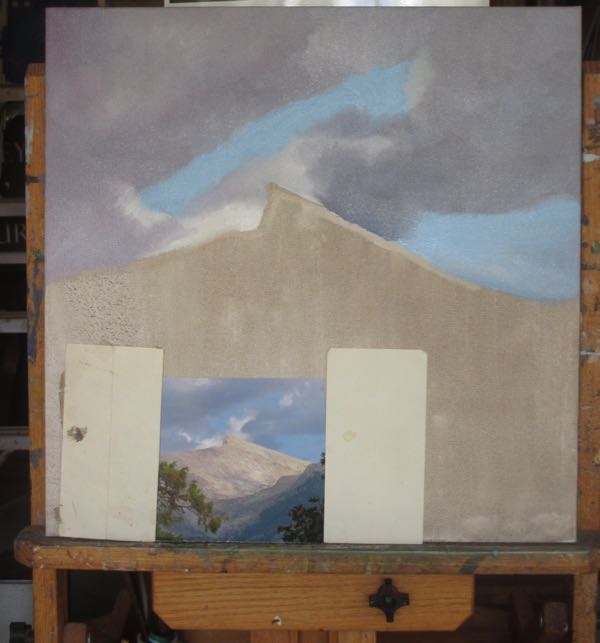
At the end of the painting day, I put them in boxes to carry into the house and prop up over the wood stove so they will be ready for the second layer. 

(I painted a second and third layer without photographing the process.)
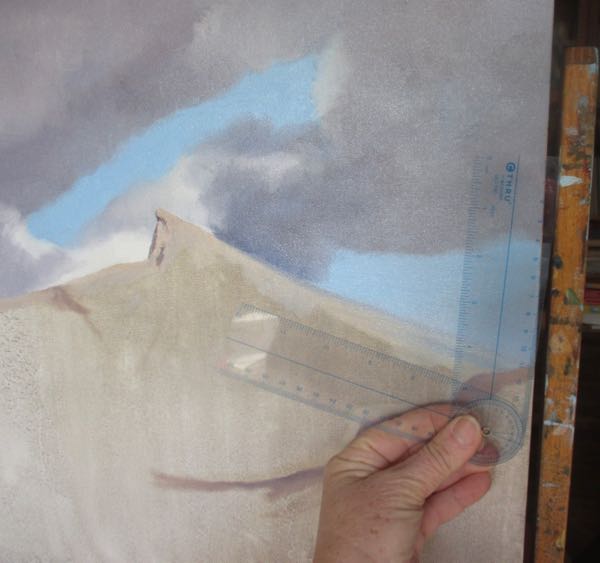
EPILOGUE: Finished and in the mail, right on schedule!

List of Activity

What a boring title – “List of Activity” – I’m sure that got people tripping over the Google to find this post. 

Not.

But it has been active around my studio and art business lately with sales of oil paintings and pencil drawing commissions.

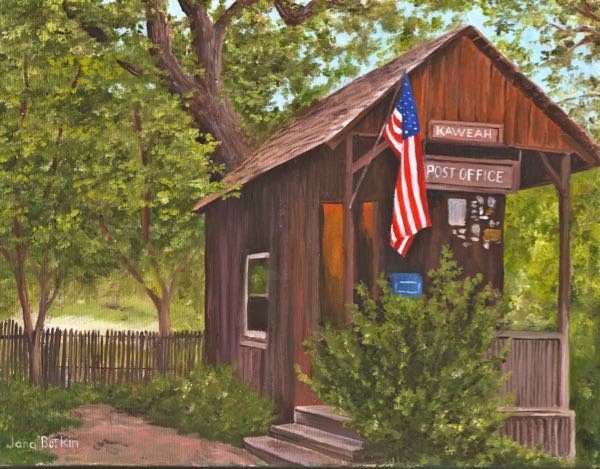
Finished and sent to happy customer:

Sold:

Sketch approved and drawing begun:

Further Pencilization

What is this “pencilization” that you’ve been saying lately?

Just another made up word by your Central California artist, who specializes in pencil art, turning photos and ideas into pencil drawings.

The print arrived from Shutterfly, so I was able to continue with the commissioned pencil drawing. An email arrived also, giving me the freedom to do what needs to be done in order to make the scene mostly accurate and pleasing at the same time.

Hurray! Freedom! (Sometimes customers ask me to do things that will make their drawings look stupid; this customer is not like that at all.)

Once the print arrived, I was off like a rocket, pencils flying. There’s something to be said for being able to see the details clearly! It is now in the happy customer’s hands (or perhaps at a frame shop).

Pencilization

A friend sent me a photograph and asked if I thought it would make a better oil painting or a pencil drawing.

Nothing to see here, folks; just move on. . .

What I mean is that there is very little color to see, so I recommended a pencil drawing. I ordered a good print from Shutterfly, but decided I couldn’t wait for it to arrive to begin drawing, because drawing is my favorite thing. Besides, this might be a lot harder than it looks, and there is a deadline.

There may or may not be a teensy structure that is very important to the friend/customer on the far right. We know it is there, but it isn’t visible. 

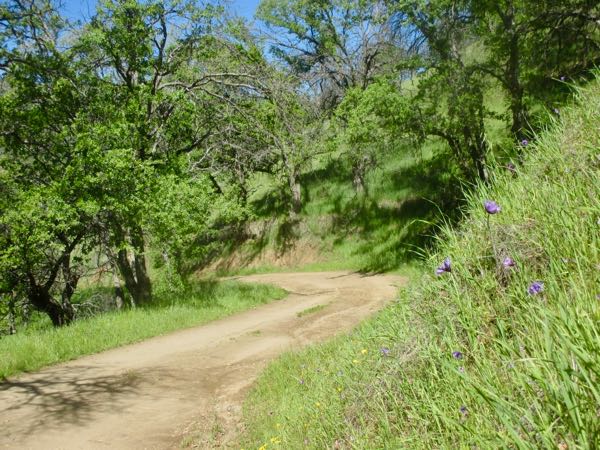
I can visualize where the structure belongs, but not the shape of the roof, or how much of the roof might even show. Good pencilization requires this information. This scene is a short 1/2 mile walk from home so I can meander over with a camera and see if the structure shows.

Meanwhile, keep drawing. . . one day my prince prints will come.