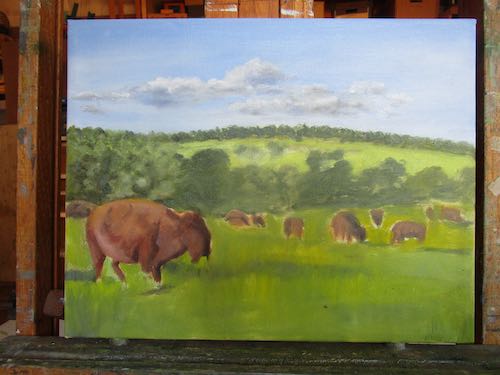
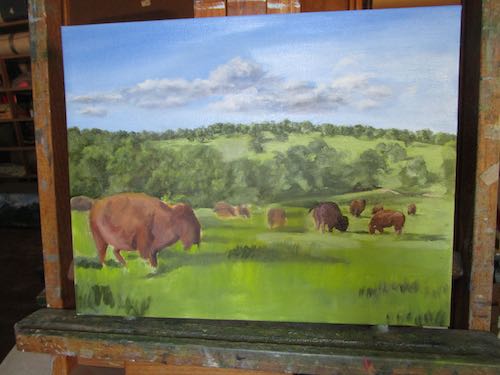
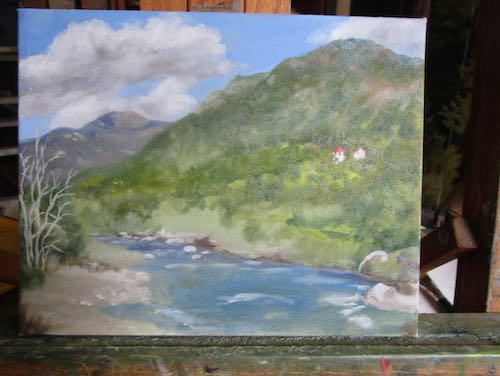
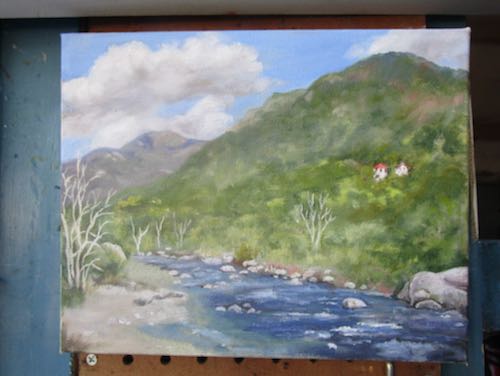
Let’s compare some oil paintings: a 2006 version reworked, a 2010 painted again, and a painting begun to its midpoint.
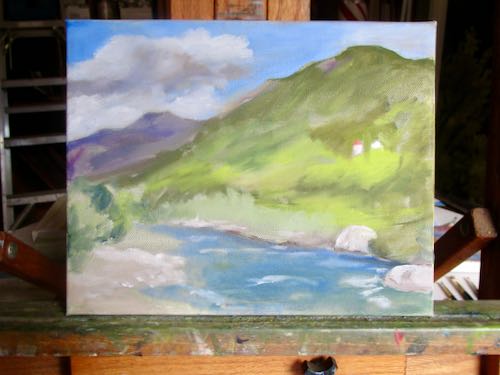
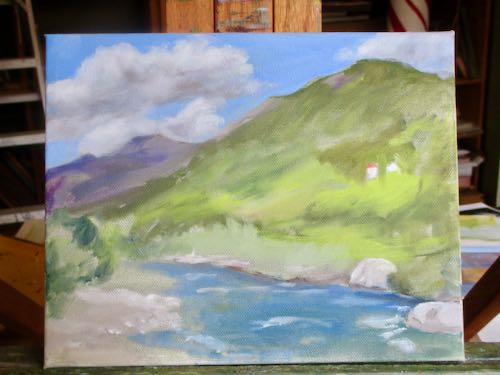
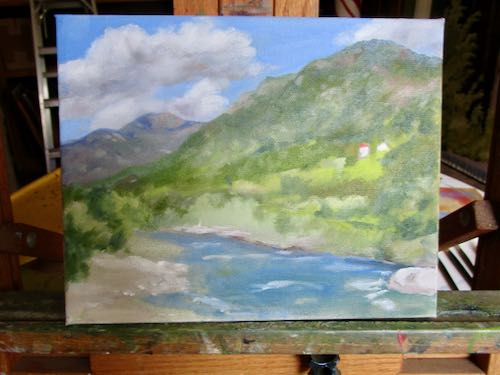
I painted this in 2006; my friend (let’s call him Craig, because that is his name) brought it back to me upon my request. I wanted to rework it so that I wouldn’t feel embarrassed for taking his money 17 years ago.
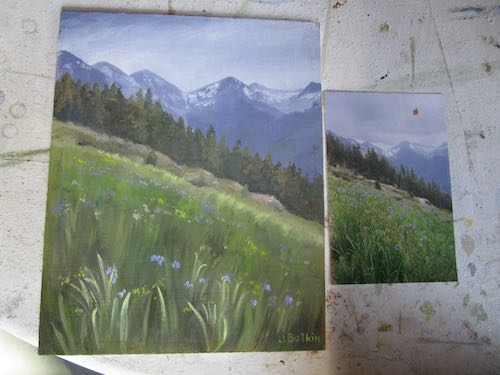
It took awhile, but I found the original reference photograph. With limited (ahem, zero, actually) experience in painting scenery back then, I just did my best to match the somewhat gray and faded colors of the photo. I was successful in matching, which is one of the important lessons of learning to paint. However, now I like to substitute brighter colors.
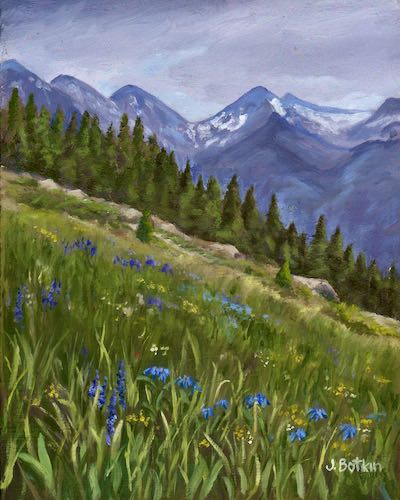
Craig also asked me to repaint a 6×6″ scene that I had originally done in 2010. I was able to convince him to just trade me rather than keep 2 almost identical paintings.
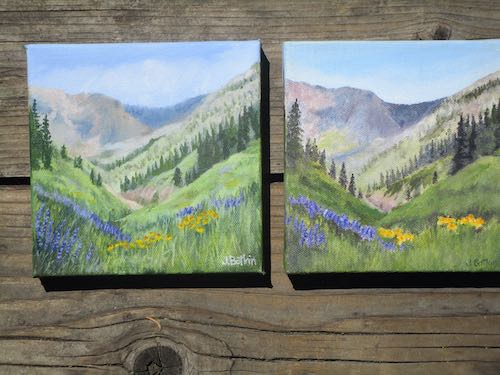
Can you tell which is old and which is new? Probably not, so I’ll tell you: old is on the right, new on the left.
Then I decided to touch up the old so that I can sell it next year, assuming my places of commerce will be open and thriving again.
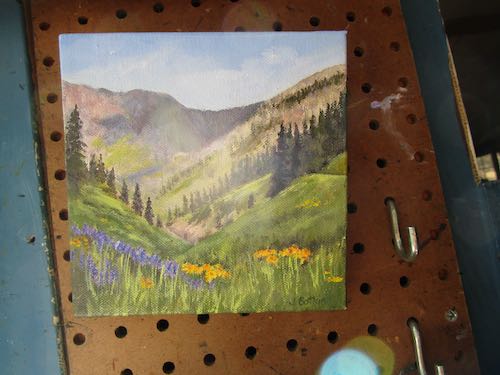
You probably can’t tell the difference in this photo. That’s okay, because I can and I know it is better now.
Finally, let’s look at a painting in its beginning ugly stages, and then enjoy it after it has been worked on a bit more.
I relayered the sky and clouds, worked on the trees, and began detailing the buffalo. (For some unknown reason, I worked from right to left on the herd, rather than my normal left to right.)
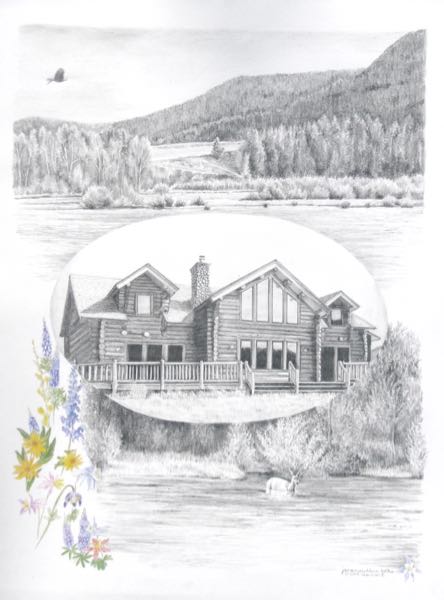
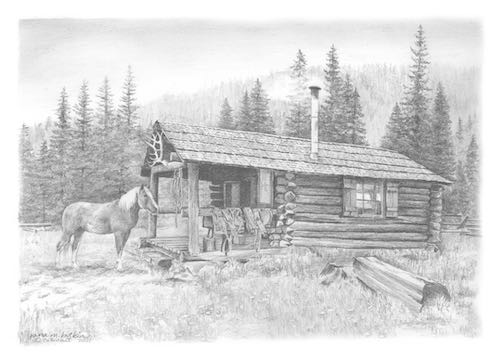
I love to draw with my paintbrushes.
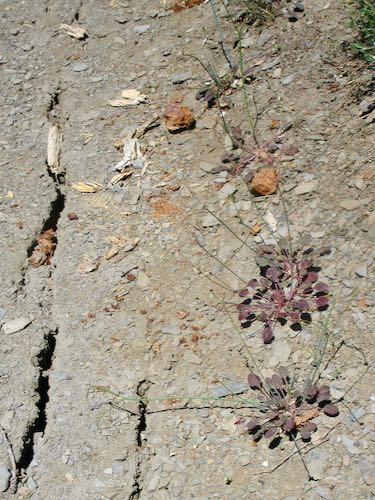
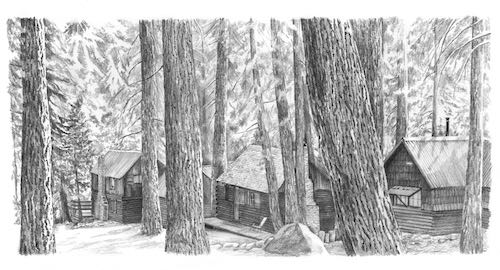 A Wilsonia road
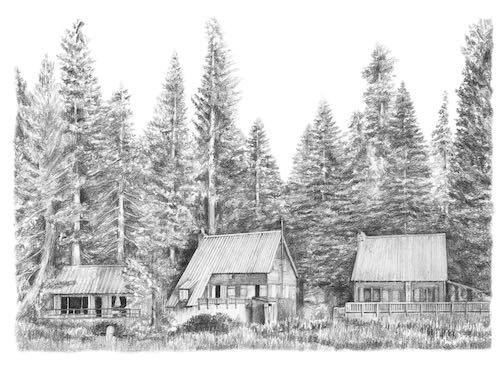 A Wilsonia neighborhood
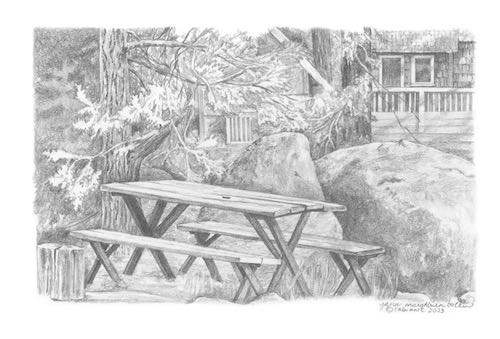 Outdoor dining is a big part of cabin life.
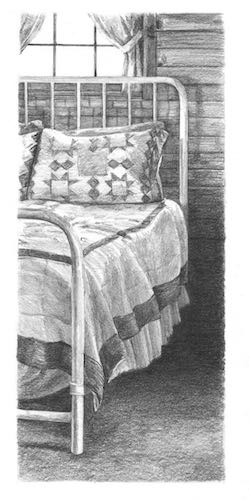 Napping is a regular method of relaxing at a cabin.
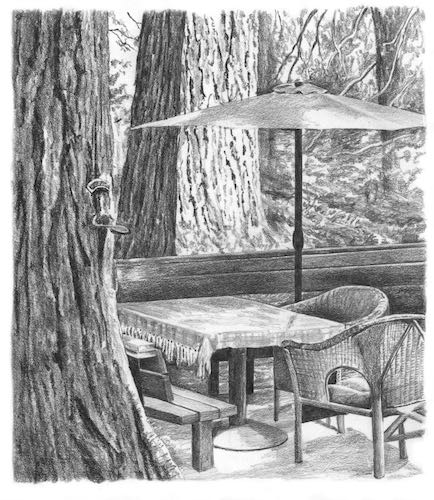 See? Outdoor dining area
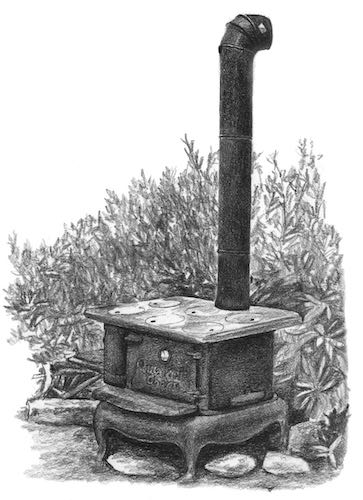 Even outdoor cooking!
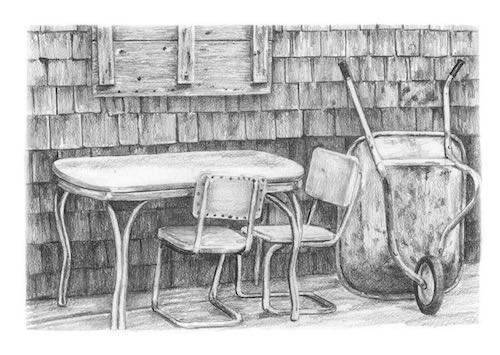 Eat and run??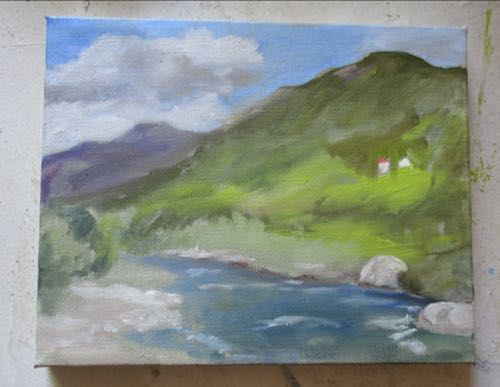
 A dear friend of many years, Natalie, sent these thoughts, titled “What a Cabin Means to Me”. (Nat, I did a tiny bit of editing – hope it clarifies rather than changes your intent.)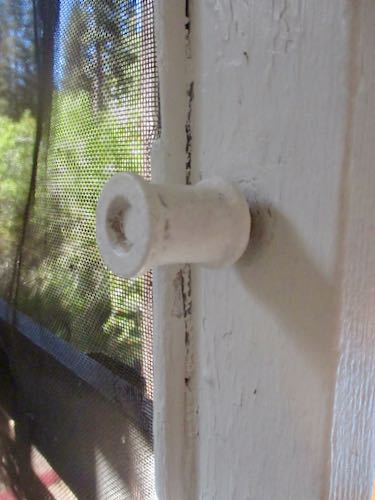
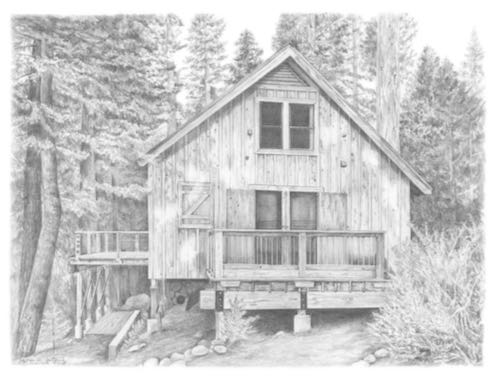
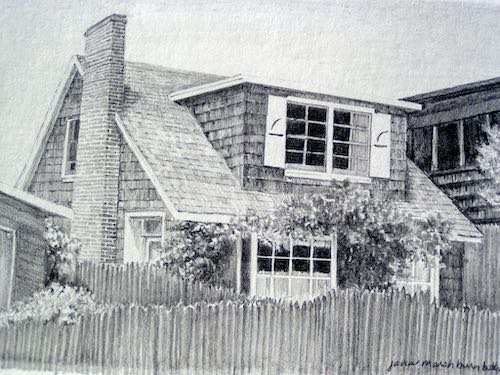
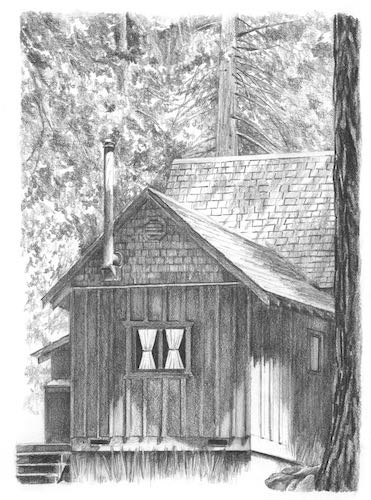
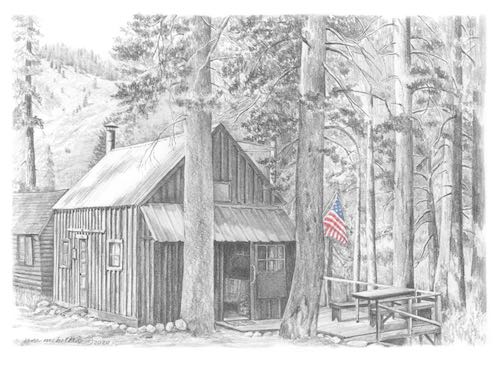
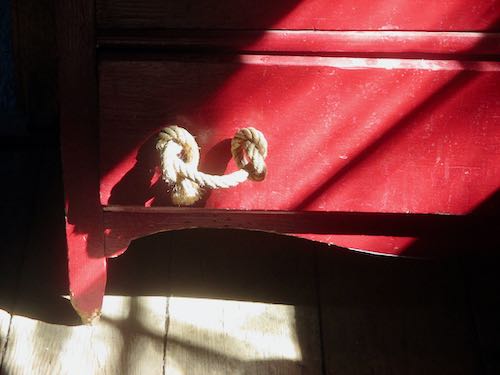 There is no single definition of “cabin”, but there is a feel to a place that makes it a cabin. I will share a few more ideas about it tomorrow. Then, maybe I will be finished with this topic. (No promises, because after all, my business is called Cabin Art.)
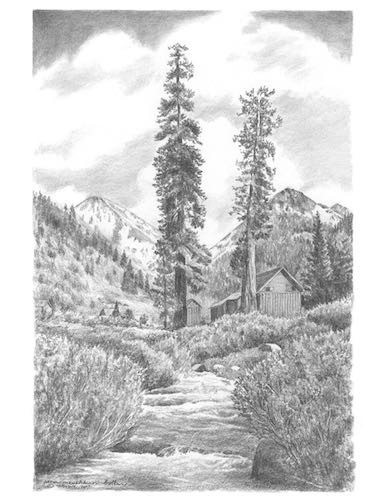 Mineral King cabin folks come from cities, suburbs, small towns and out in the country; we live in mansions, estates, apartments, and even a few normal houses. We are (or were) artists, bankers, equipment operators, janitors, teachers, farmers, administrative assistants, engineers, retirees, dental hygienists, sheriffs, lawyers, doctors, cowboys, builders, day care workers, musicians, optometrists, veterinary assistants, physical therapists, moms, Park employees, physician’s assistants, and those are just the first ones that come to mind. We come from Arizona, California, Oregon, Washington, Idaho, Nevada, Utah, Colorado, Virginia, New York, Hawaii, Florida, South Dakota, and Egypt. (And more places that I can’t remember. . .)
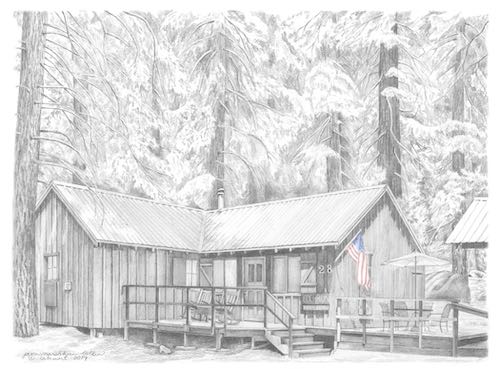 Our Mineral King cabins, AKA “small, poorly constructed huts in the woods”, are great equalizers.
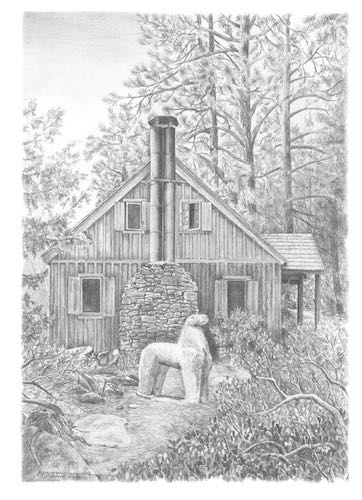 Every single cabin user has to figure out how to deal with unreliable water, peculiar propane appliances, old stuff that may or may not work, and the definite lack of a maintenance department, hardware or grocery store. There is a terrible road to get there, rodents, spiders and other wildlife that may or may not be appreciated, and all sorts of unexpected situations. (Who left this chair and what happened to my flashlight?? Does anyone have any birthday candles? What’s wrong with this place that has no outlets? Are you serious that I cannot blow-dry my hair?)
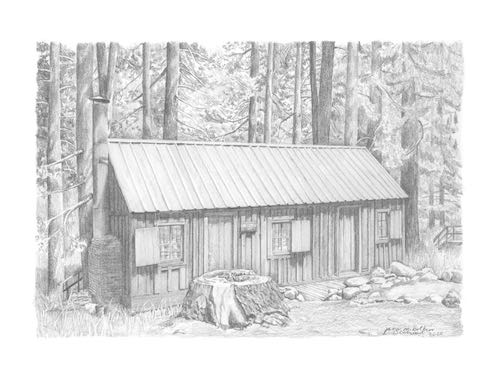 Whether folks have complicated lives in fancy places or plainer lives in simpler places, all view a cabin as a mixed blessing: a family tradition, a repository of memories, and a bit of an inconvenience, but still a huge treat, their own treasured shabby shack in the mountains.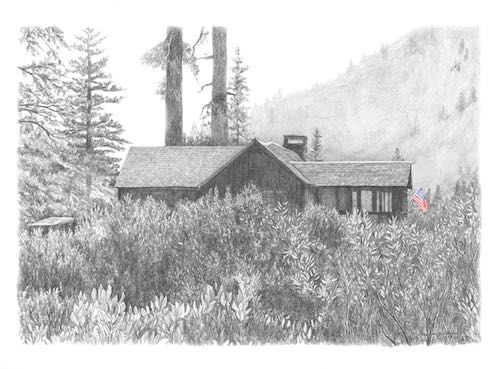
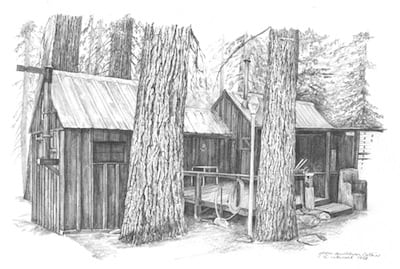
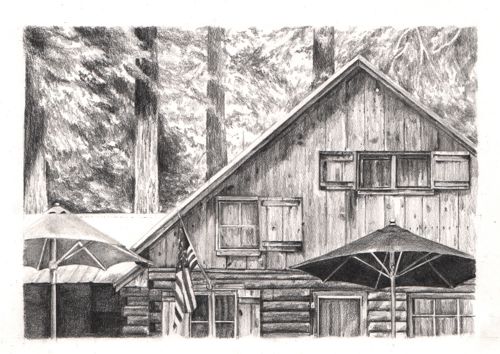 What is a Cabin?