My Favorite Things (as in Subject Matter)

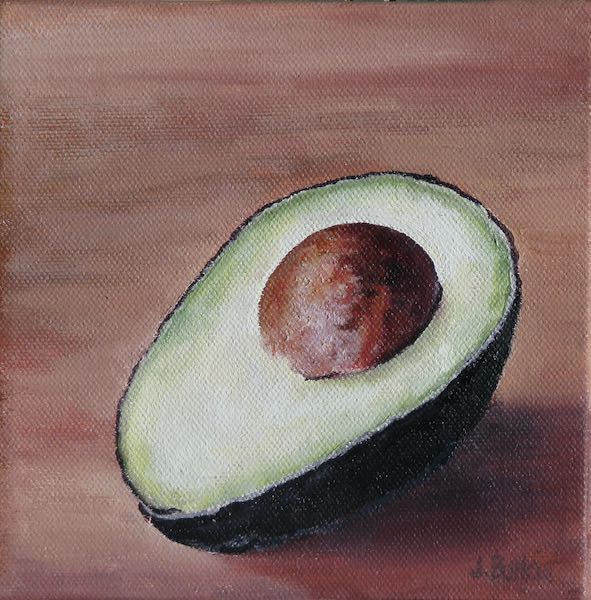
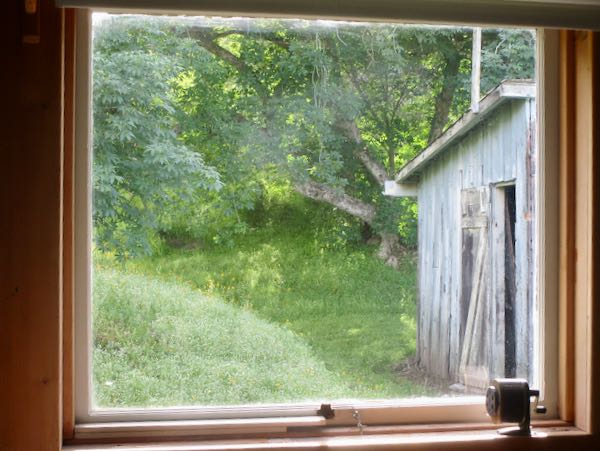
When I started my art business, I named it “Cabin Art”, or perhaps “Cabinart*”, because my favorite subject matter was architecture, mostly cabins.

As my skill and confidence grew, my favorite subject to draw (and eventually paint) was the Oak Grove Bridge.

Graphite on paper, SOLD
Oak Grove Bridge #28, 24×30”, oil on wrapped canvas, $1800

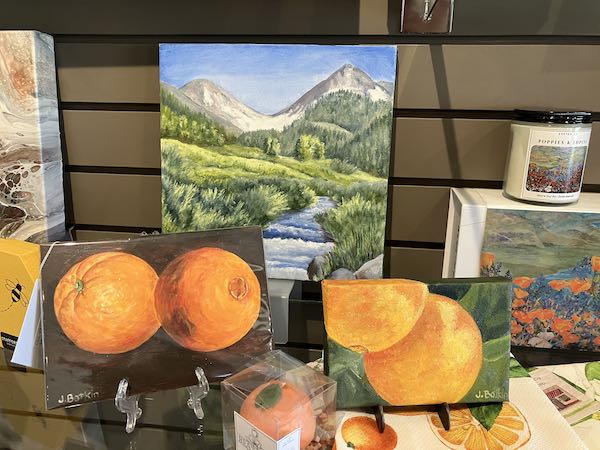
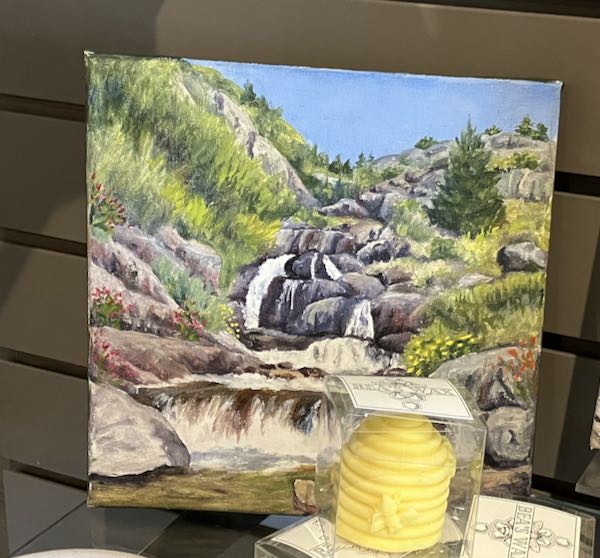
During a particularly wet winter after several dry ones, I became enamored with rushing water.

Steady Stream, 11×14”, graphite on paper, $400 (unless it already sold. . . there’s a little story there.)

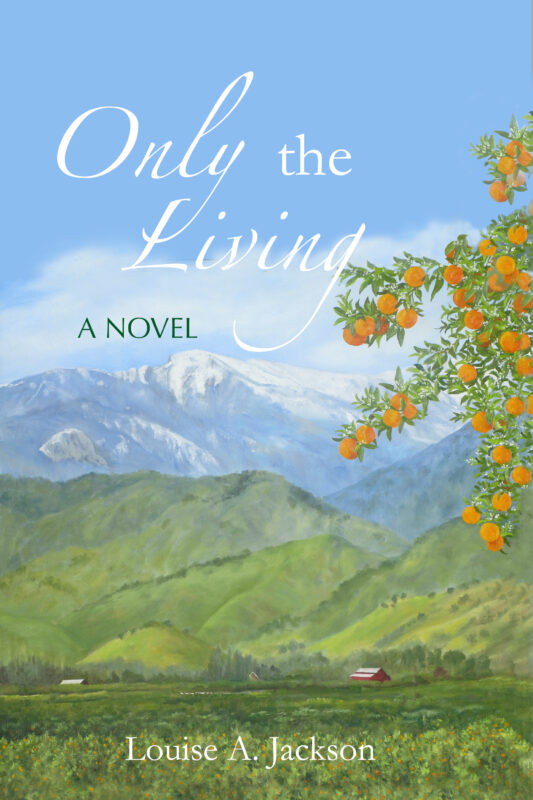
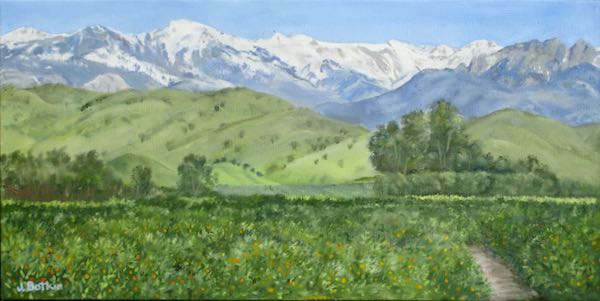
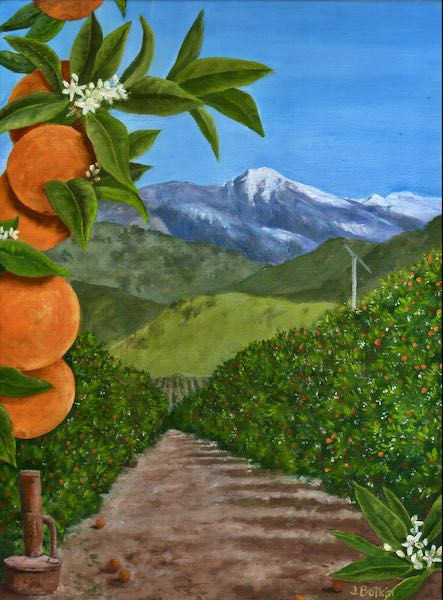
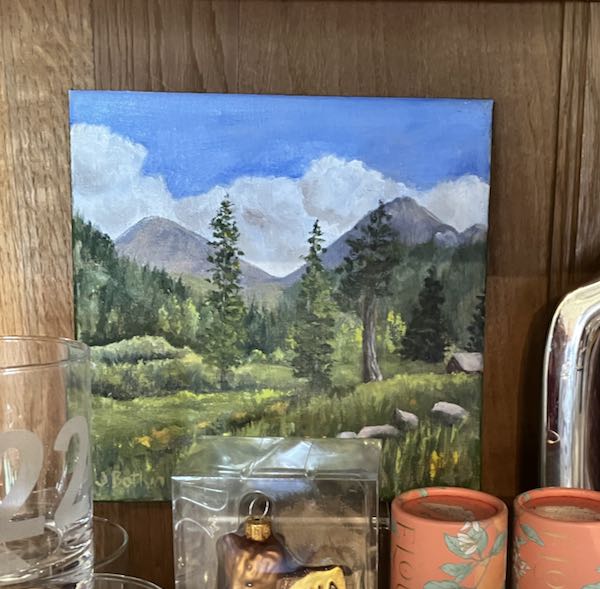
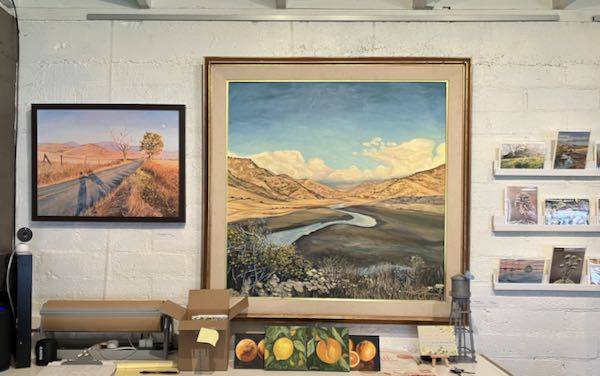
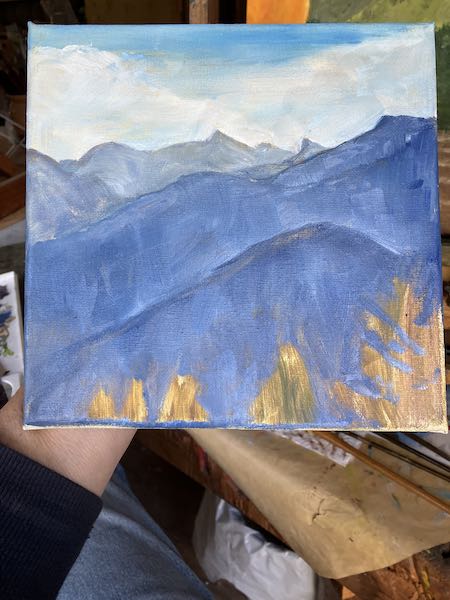
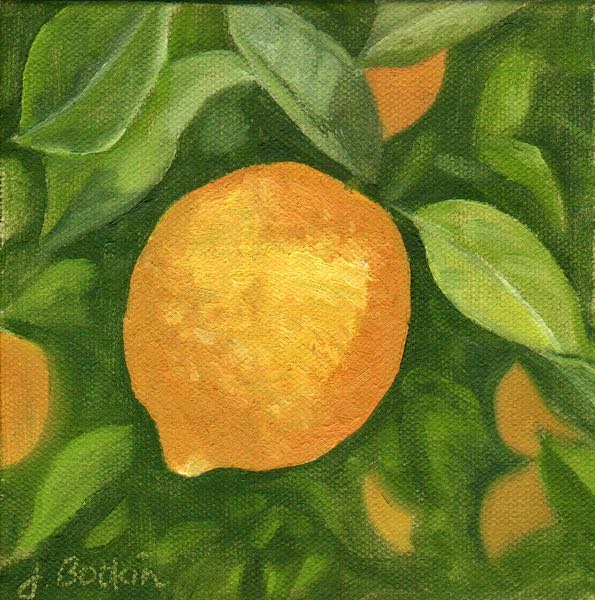
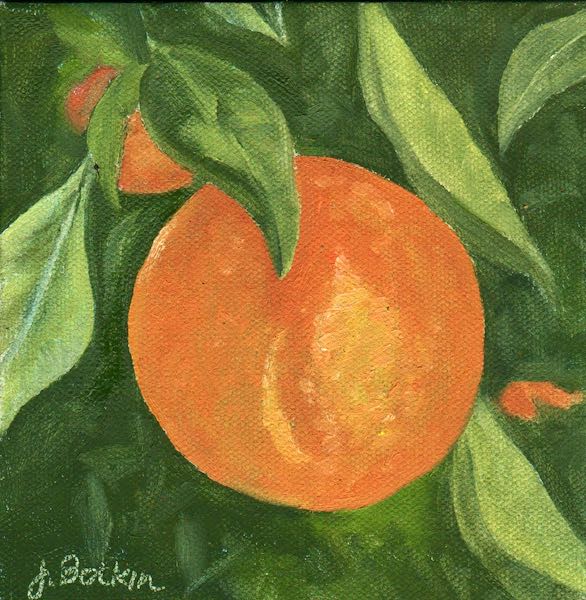
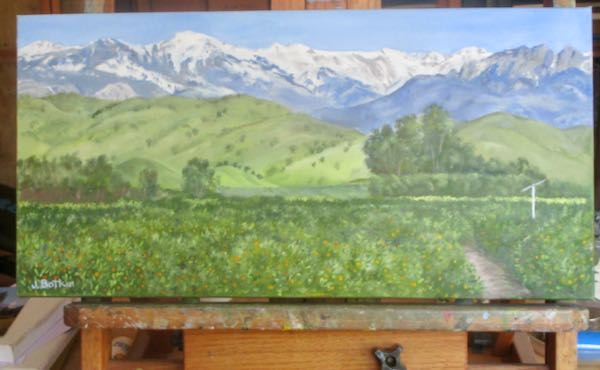
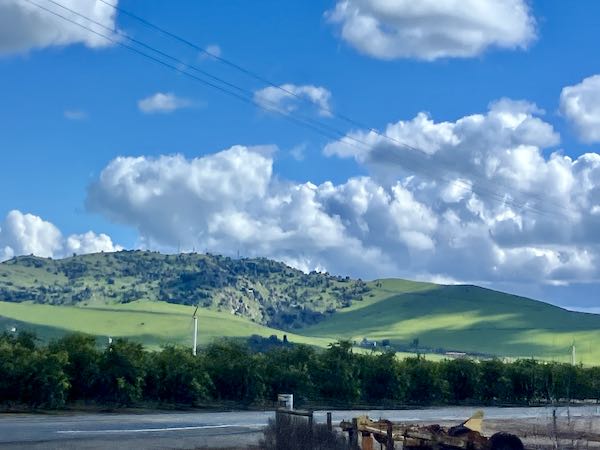
Next, it was orange groves with foothills and mountains in the distance.

In the Orchard, oil on wrapped canvas, 11×14”, $300

After a handful of years of painting multiple variations on this theme, I seem to be transitioning into beach scenes.

More on that later. . . Monday is time for a monthly Learned post.

*For a typo-psycho, I certainly am ambivalent about the spelling of my own studio name.

BUT WAIT! ONE MORE THING FOR YOU! MY FRIEND HANNAH IS OPENING A NEW SHOP IN THREE RIVERS!

A Different Sort of Commission

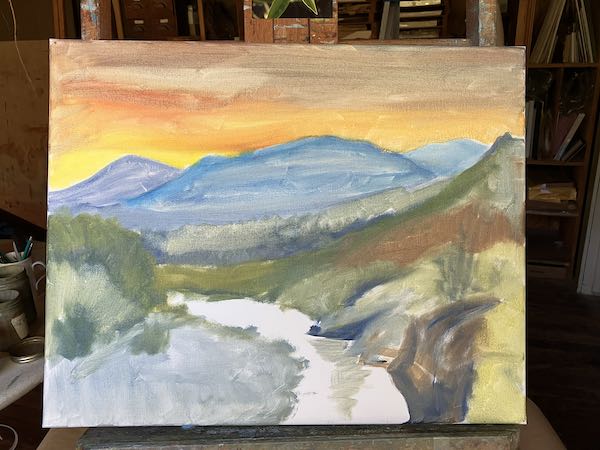
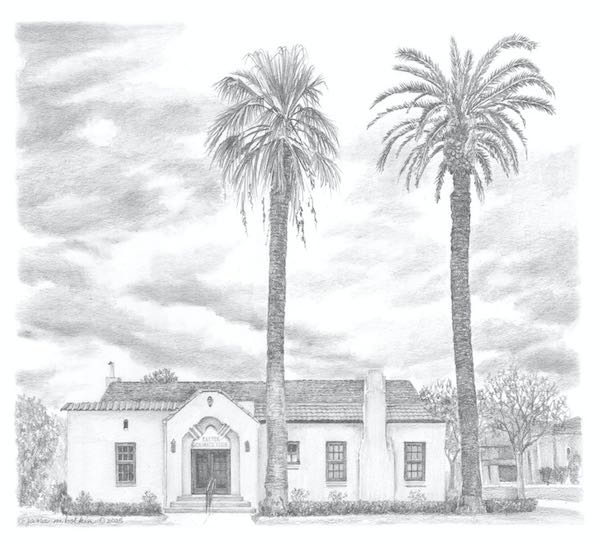
In 1996 or thereabouts, I drew this in pencil. It is a compilation of photos taken in Pauma Valley, Lemon Cove, and maybe even in Ivanhoe and Exeter. For some reason, a reproduction print was still around during my show last fall. It sold quickly, and a friend asked me to paint the scene for her.

I’ve never painted from a pencil drawing before. Since I have experience in the subject matter, and I can still locate most of my reference photos, I said yes. (Everything is easy compared to those miniature faces.)

First pass over the canvas.

Second pass.

Third pass.

I will be taking my time on this since my friend said she would like it some time in April. This remains my current favorite subject matter, and it brings to mind all the phases of favorites that my art has gone through. More on that later. . .

About Pencil Drawing

Here are a few thoughts about drawing with pencils. First, have you noticed that when galleries tell the medium used in making a piece of art, they say things like “oil”, “watercolor”, “acrylic”, or “pencil”? “Pencil”???? Isn’t that actually graphite? In a sense, calling a pencil drawing “pencil” is somewhat like calling a painting “brush”.

Never mind.

The drawing has been temporarily removed from the blog because it is going to be a surprise for some people.

When the customers retrieved their pencil drawing with all those little bitty faces, they wanted to know how in the world I was able to make those tiny visages legible.

The way I got those tiny faces was with little itty bitty adjustments while working under a magnifying glass using these tools, working for many hours on nothing but those faces, refining with each pass, turning the photos and the drawing upside down in order to evaluate the shapes, the darkness, the blurry quality, and then mimic what I saw.

That teensy eraser came into being about 5 years ago. (Okay, if it feels like 5, it was probably 8 or 10 years ago.) How were we able to draw without such a tool?? There were other eraser sticks, but none so tiny. We relied on erasing shields to isolate small spaces, which were never small enough. Now, with the Tombow Mono Zero, we sometimes want an even smaller eraser.

Those sharpeners by Blackwing are designed to give a long point, using 2 different blades. First, use the hole on the left for a looonnnng lead (not actually lead—Pb—but graphite). The hole on the right makes an extremely sharp point, unless the blades have worn themselves dull, which mine have. I had to break out my new one, which I had been holding back on using because it cost $14!! For a pencil sharpener??

Since I no longer have one in reserve, it seemed prudent to buy another backup. Now they are $16 on Amazon. SIXTEEN DOLLARS FOR A PENCIL SHARPENER!

Sometimes it feels good to just sketch quickly, without anything other than a Blackwing pencil I usually keep with me, using any available blank piece of paper. It is a different kind of challenge, which is probably good practice.

Yeppers. Time to raise my prices.

P.S. SIXTEEN DOLLARS FOR A PENCIL SHARPENER?? I’m struggling with this concept, which you may have noticed.

February Fotos (or Phebruary Photos?)

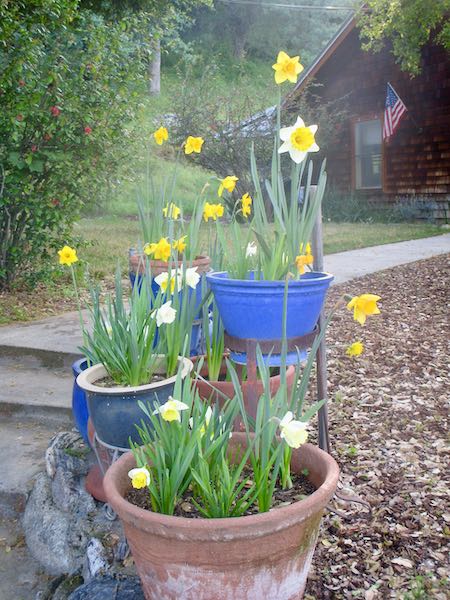
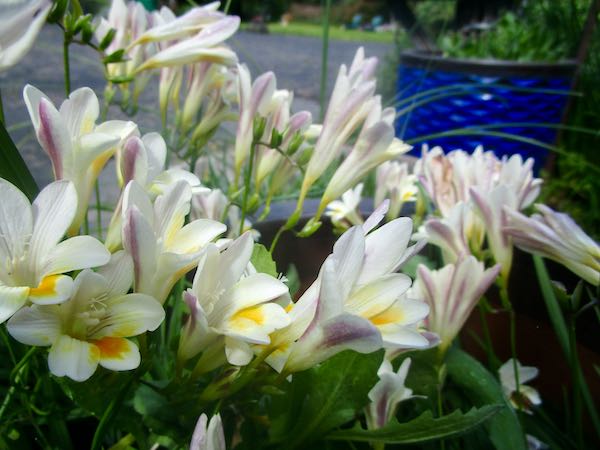
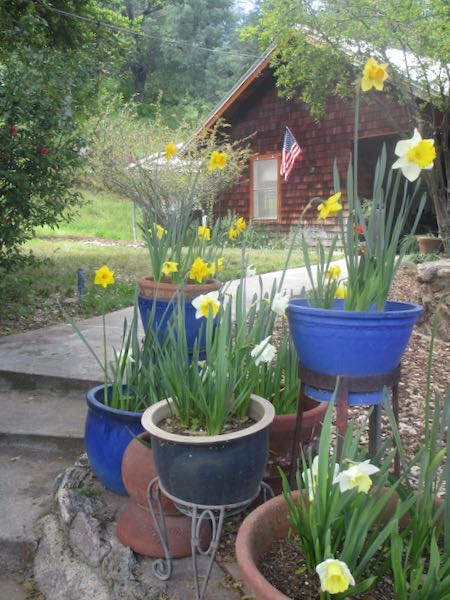
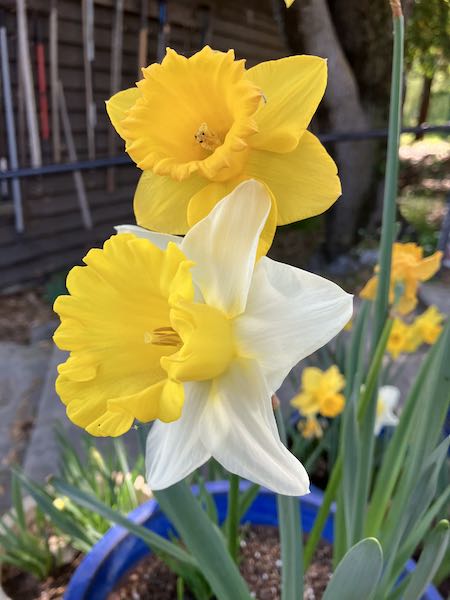
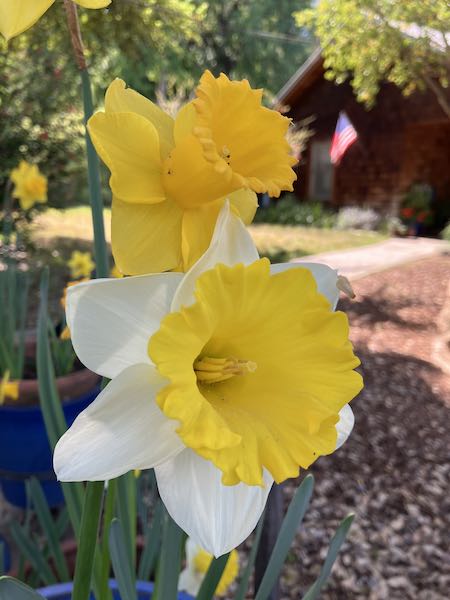
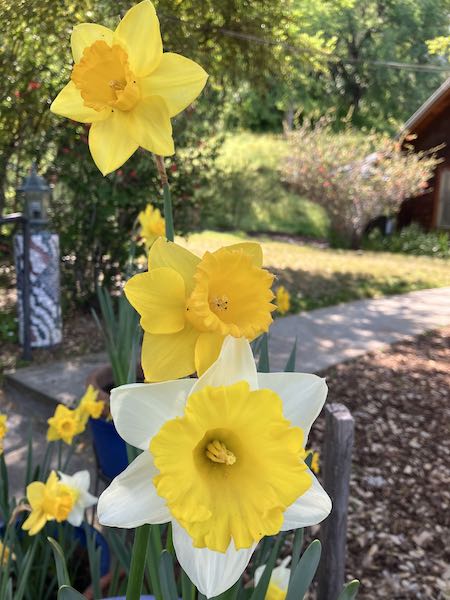
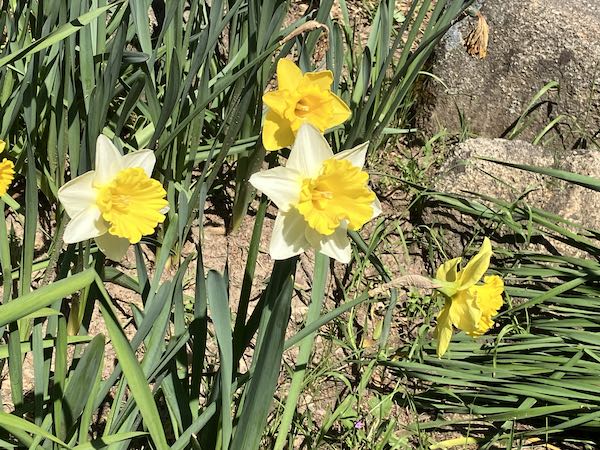
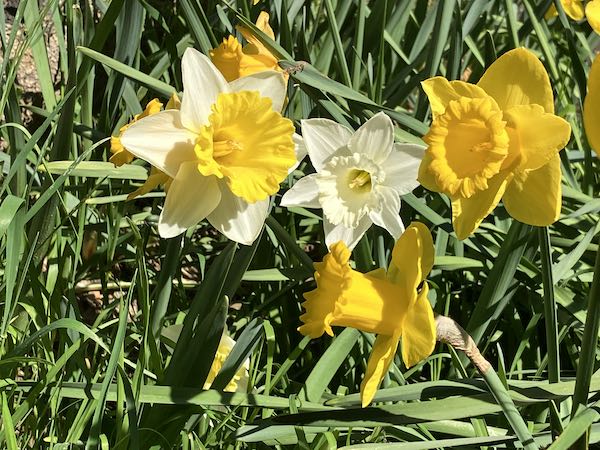
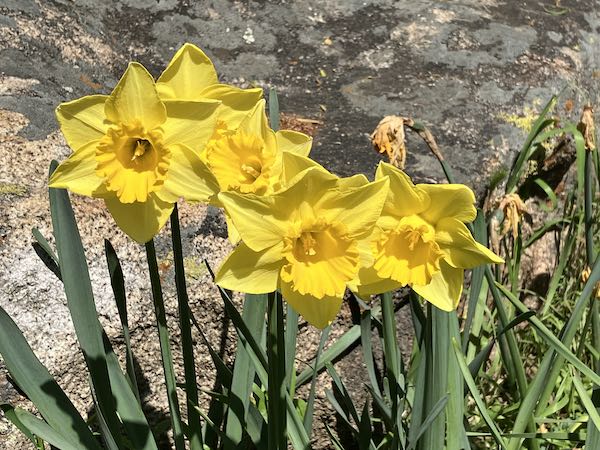
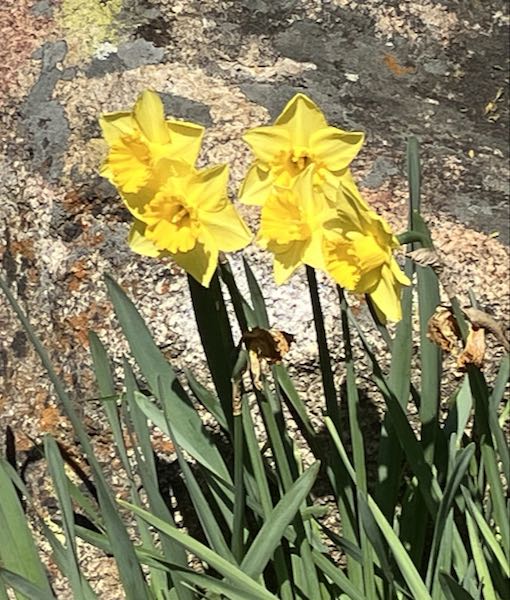
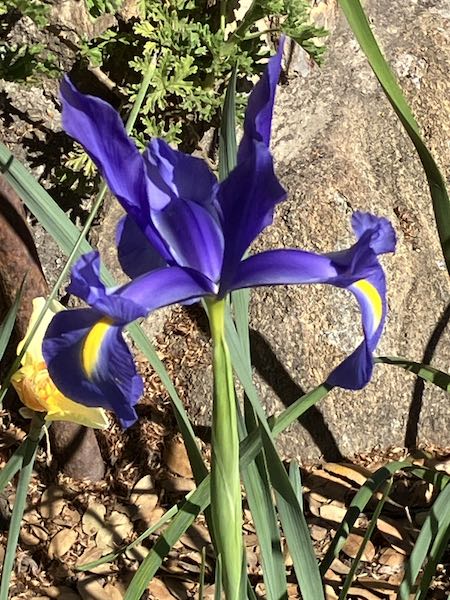
If you live in California or other moderate climates, you can wait until January to plant daffodils. The added bonus is that the bulbs will be on sale. This daff with the narcissus might be from last year. I may even have waited until February to plant all those daffs this year.( If they don’t bloom, I hope I remember to not wait so long next year.)

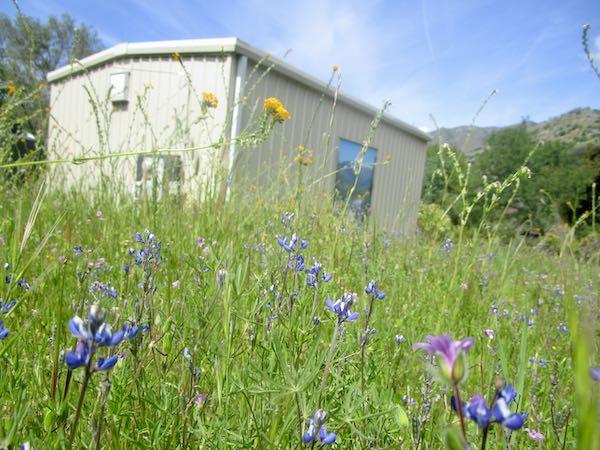
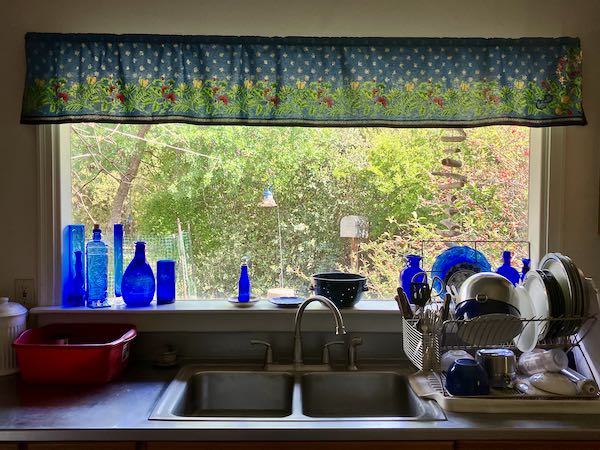
I found a recipe for streak free glass cleaner on a favorite blog, Everyday Cheapskate. Couldn’t wait to try it on my studio windows; it rained the next day so I didn’t get to fully appreciate the streak freeness—you know, how windows always look their worst when the sun shines directly on them.

Trail Guy feeds the birds daily. These birds are abundant, but I forget their names. I prefer wildflowers to wildbirds. (I know “wildbird” isn’t a single word, but it looks better with “wildflower”.)

Thus we conclude another peek into life in my favorite month of February in Three Rivers.

Finished.

I DID IT!

For the first time in many years, I kept track of how long this took. Getting these little people to be themselves took a very very long time. (Don’t ask—not telling). It is probably (past) time to raise my prices.

Early Spring in Three Rivers

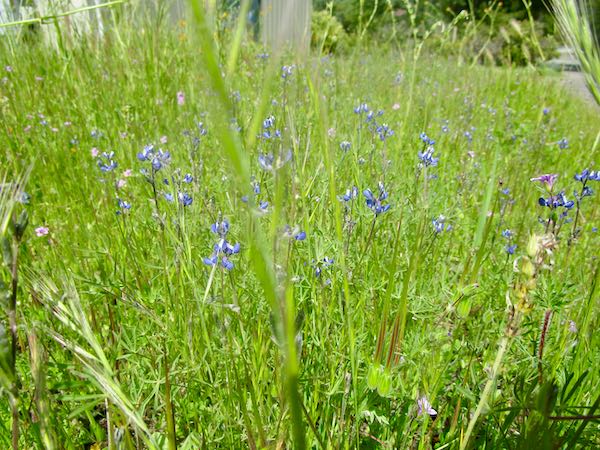
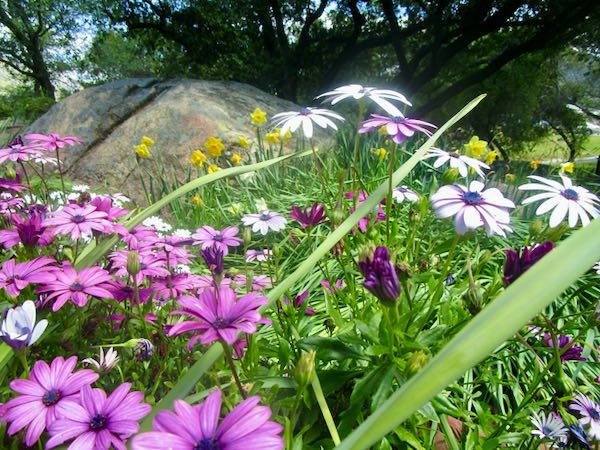
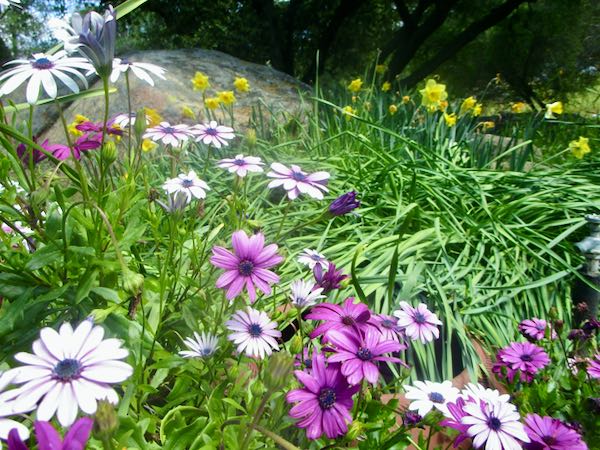
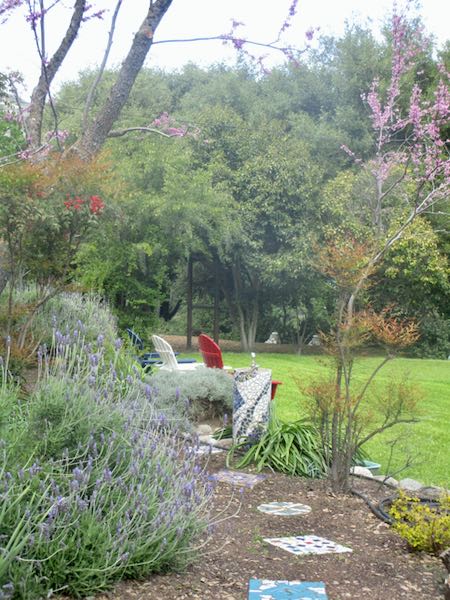
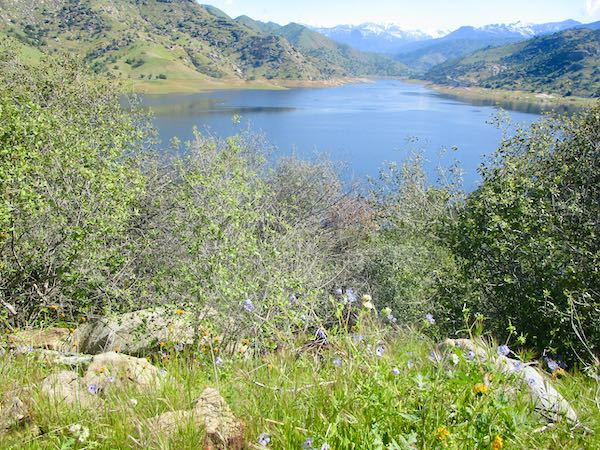
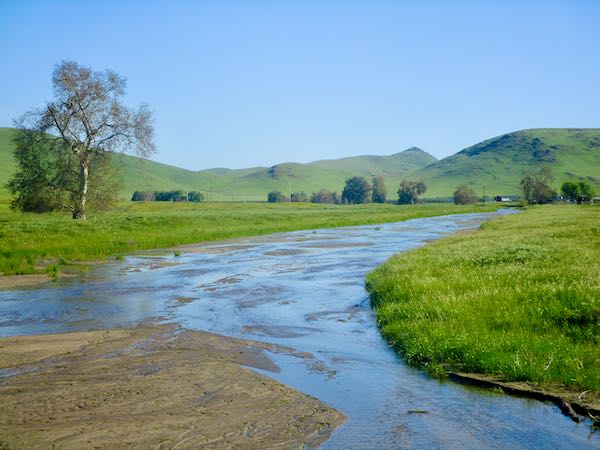
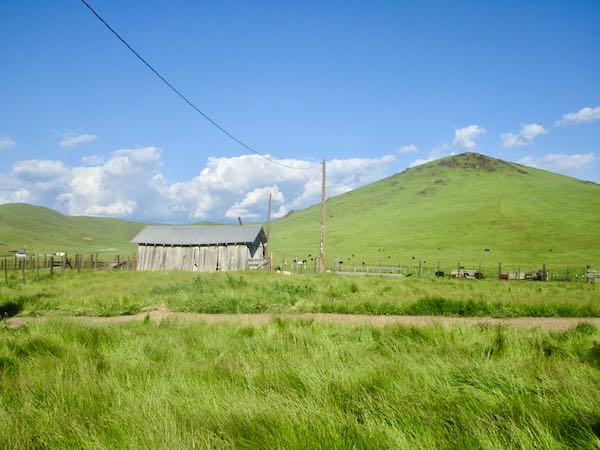
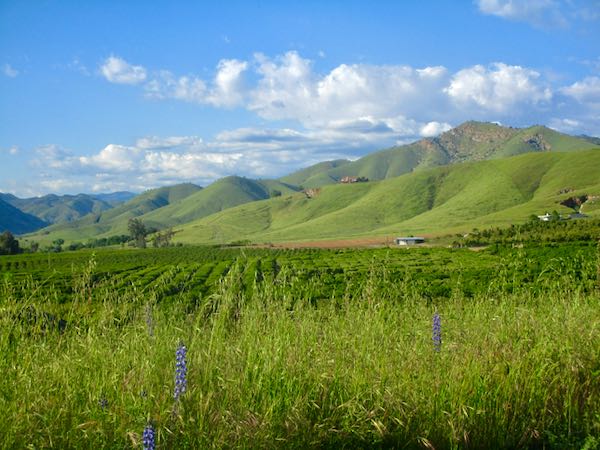
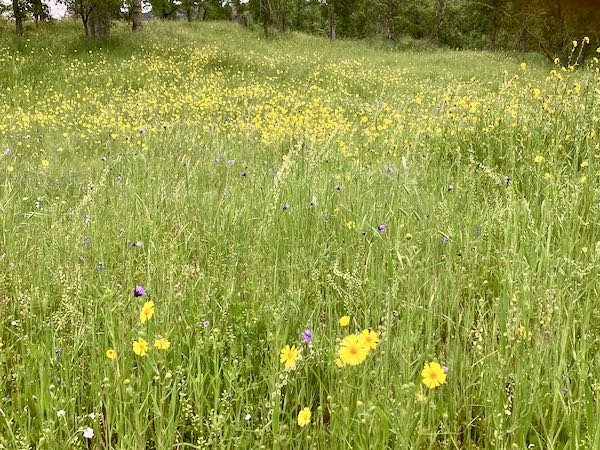
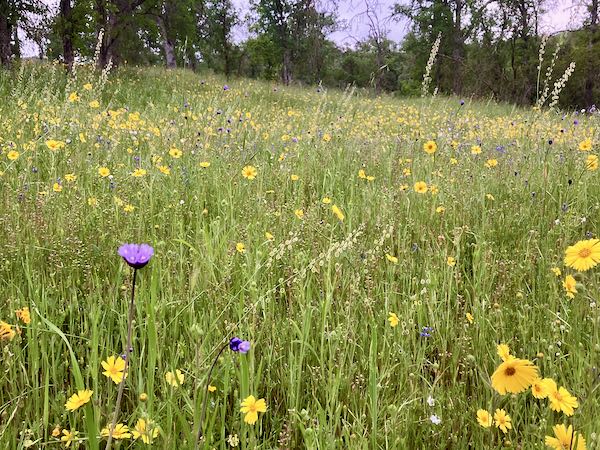
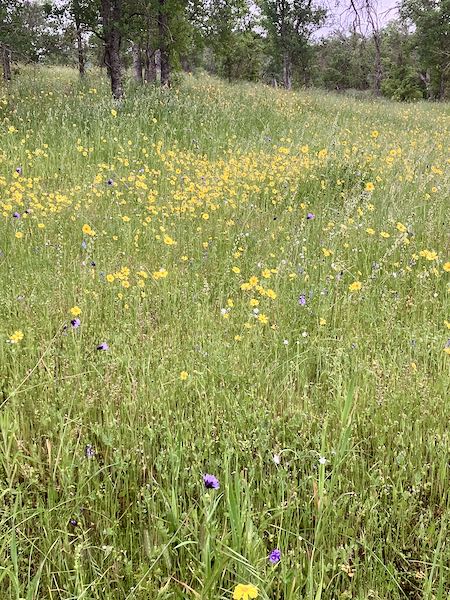
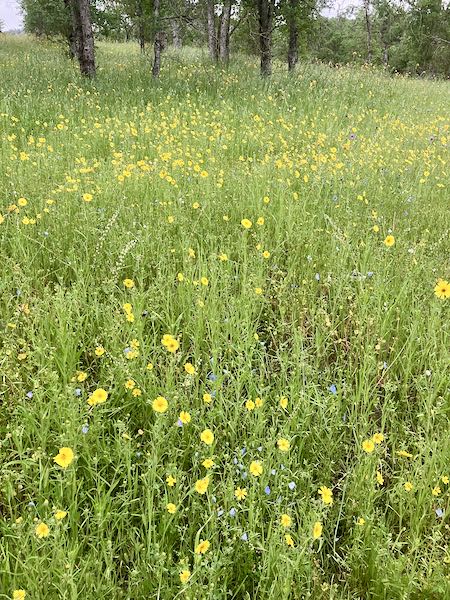
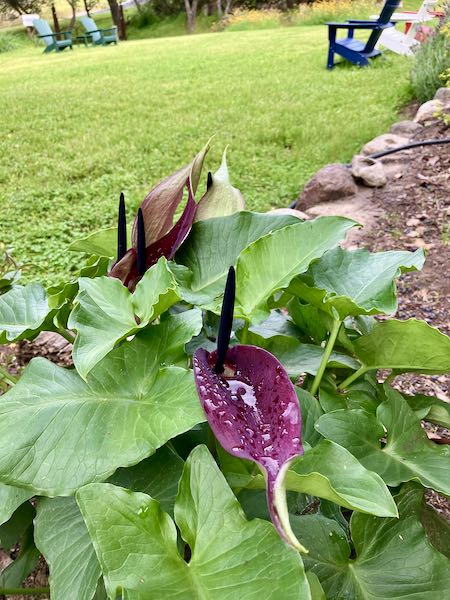
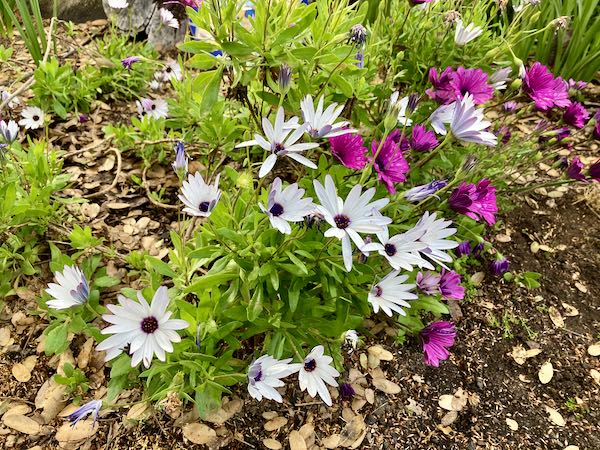
If you have followed my blog for a few years (THANK YOU!), you may recall that I love February. When we have decent winters, things turn green and the wildflowers begin. It isn’t hot yet, there is snow on the mountains, the air is clear and the rivers are flowing. With no apologies to those of you who are in the depths of winter (because we all have our tough seasons wherever we choose to live), here are some glimpses into February in Three Rivers, which is the beginning of spring for us.
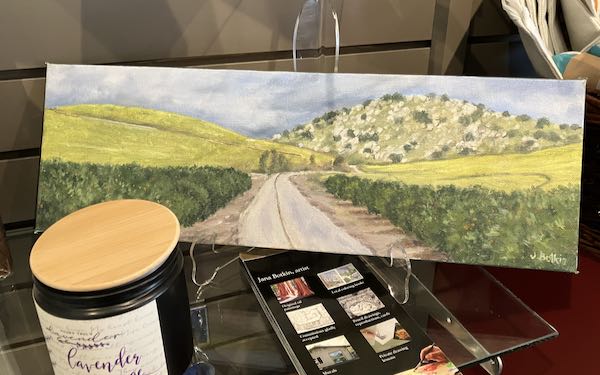
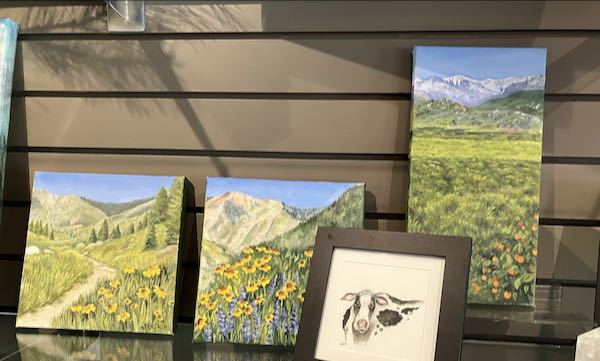
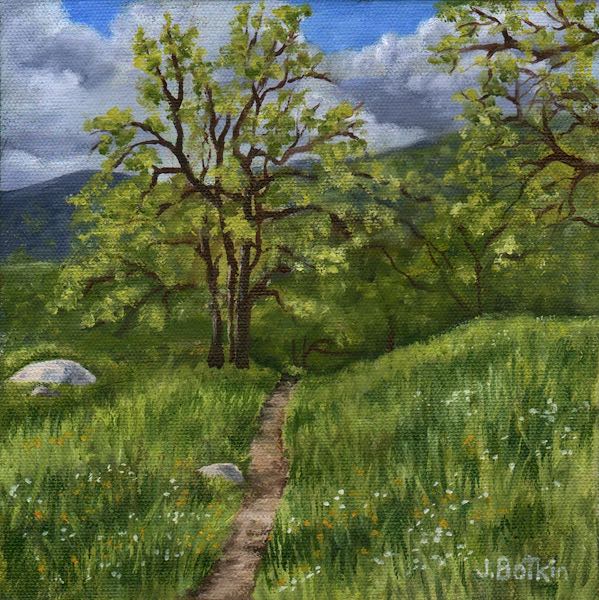
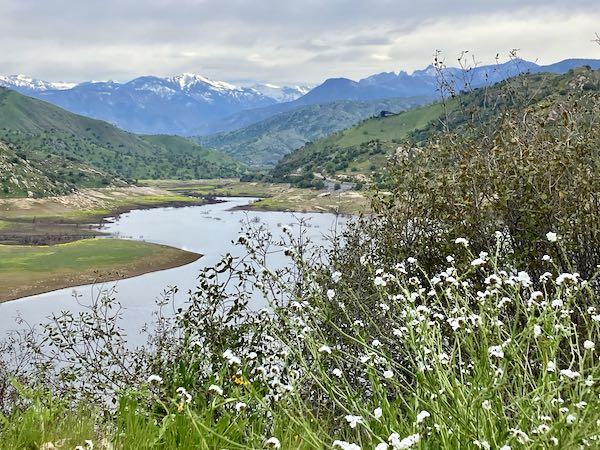
An easy-ish walk with a little climb and good views.

Don’t you wish you could live in Three Rivers in late winter/early spring? Fret not, we’ll pay for it in July, August, and September.

Walking in the Dark

Photo taken in Clovis by Jane Sorenson. (Used without permission)

One morning when I shuffled carefully down the driveway by flashlight in the dark toward my neighbor waiting with her flashlight, I asked her, “Tell me again: why do we do this?”

She said, “They say it’s supposed to be good for us.”

I asked, “Are ‘they’ the same people who told us margarine was better than butter? Or coffee was good, then bad, then good? Or wine was bad, then good, and now bad again?”

We chose to go the shorter steepest route, because we find it easier when we can’t see how steep it is.

We turn around at the gate which leads to this place because we are cold, it is dark, and my neighbor has to get to work.

As the light increases each day in February, we start dreading the time change. When we were kids, it changed to Daylight Saving in April, and then it changed back to Standard Time in October. Some time in early adulthood years, the changes got moved to March and November, so that Daylight Saving is a now longer stretch than Standard. So “Standard” is more accurately “Nonstandard”, or “Irregular”.

Like with most big issues, we Americans are evenly divided on which time schedule is best. In general, urbanites prefer more light in the evening, and rural folks prefer (and often NEED) more light in the morning. Almost everyone agrees that jerking our internal clocks around is annoying at best, and dangerous at worst. (The dummies think they are somehow tricking Father Time into providing more hours of daylight.)

I expect that in spite of widespread discontent and the adverse consequences of a twice-yearly time change, the People in Charge will do nothing. Politicians are so concerned with retaining votes that they are paralyzed when decisions are a 50/50 proposal, with the unintended consequence of everyone being unhappy. In addition to the elected officials, it is often the bureaucrats who end up interfering in our lives.

I expect to be walking in the dark for the rest of my life.

“You’ll never understand bureaucracies until you understand that for bureaucrats, procedure is everything and outcomes are nothing.” —Thomas Sowell